
KFW Blog
Growing at the Table
Insights on feeding development, learning to eat, and creating calm, connected mealtimes.
Browse by topic or search for specific feeding concerns.

Why Toddlers Suddenly Become Picky Eaters (And What It Really Means)
Does your toddler suddenly refuse foods they used to eat? Learn why picky eating often emerges during normal toddler feeding development—and how understanding the “why” can transform mealtimes.
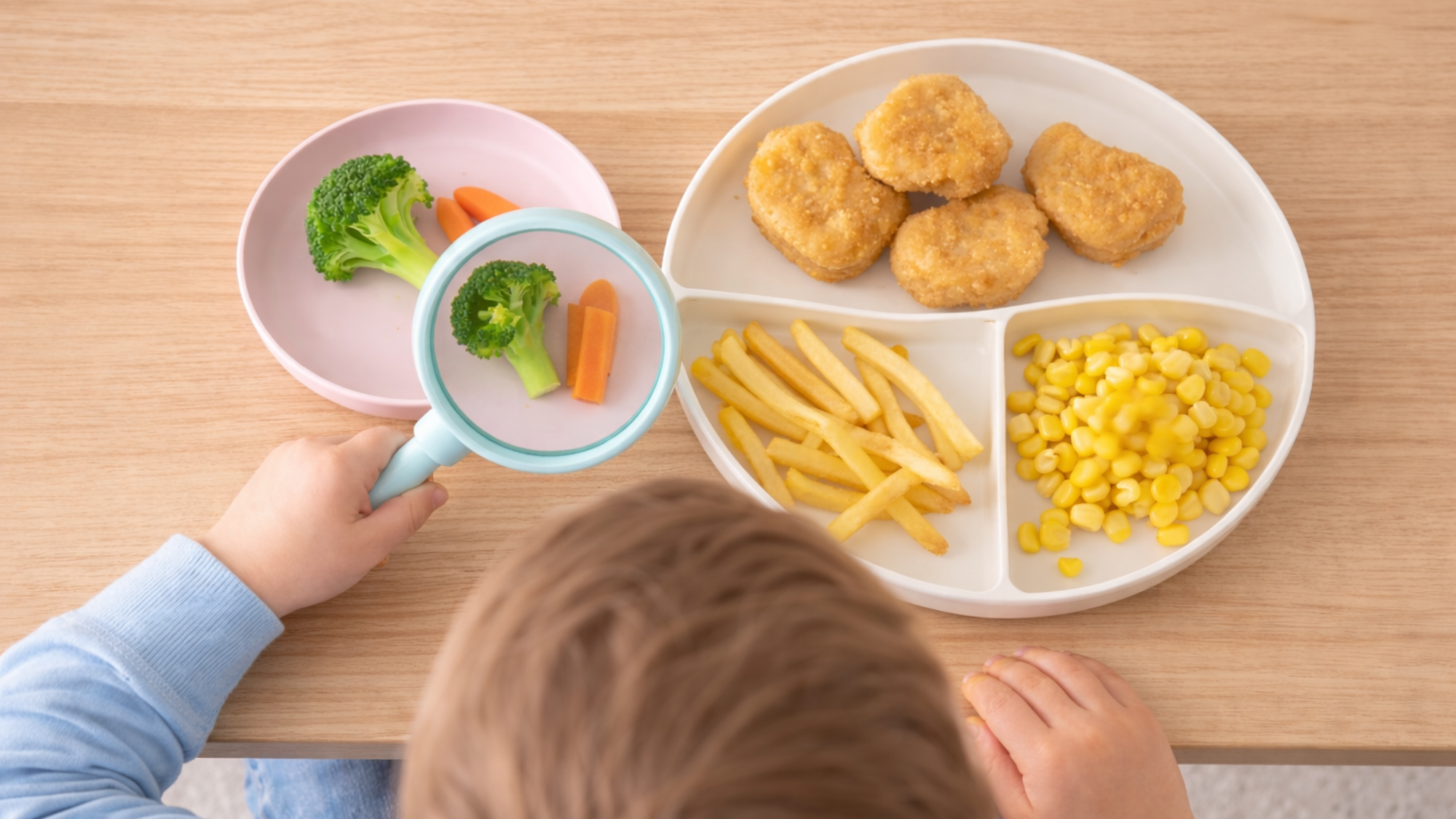
A Better Way to Help Your Child Try New Foods (Without Pressure)
Not sure what to do when your child refuses a food? Discover a simple, low-pressure approach that helps children build comfort and confidence with new foods—without mealtime battles or power struggles.

Picky Eaters Turned Chefs: When Sensitivity to Food Becomes a Strength
Some of today’s chefs once avoided most foods on their plate. As children, texture, smell, and unfamiliar ingredients felt overwhelming. But over time, curiosity, cooking, and hands-on food experiences helped transform their relationship with food. In this blog, we share the inspiring stories of chefs who went from picky eaters to passionate cooks—and what parents can learn from their journeys.

5 Books to Help Prepare Your Cautious Eater for Thanksgiving
Thanksgiving is such a warm and meaningful holiday, but for a cautious or sensitive eater, it can be a lot to handle. New smells fill the house, unfamiliar dishes take over the table, conversations get loud, and suddenly there’s so much pressure around eating. For a child who thrives on routine and predictability, that’s a recipe for overwhelm.
Before a child can even think about tasting something new, they first need to feel safe with it. That’s why Level One of the 5 Levels of Food Exposure™ at Kids Feeding Wellness™ centers on Educational Exposure—helping children learn about foods through gentle, low-pressure experiences.

When “Just One Bite” Backfires: How to Support Your Picky Eater Without Pressure
If your toddler has ever said “I don’t like it!” the second you serve a new food, you’re not alone. Research shows that the way we respond in these moments matters. In our latest blog, discover the difference between supportive vs. coercive prompts, get real-life phrases you can use at the table, and download a free one-page fridge guide to keep mealtimes calm and positive.

How Books Can Help Picky Eaters Try New Foods — Without Pressure at the Table
Some of the best food exploration happens away from the table. Discover five favorite children’s books for picky eaters, a simple feeding tip for each, and why stories help cautious eaters get curious about new foods without pressure.

Helping Picky Eaters: The 5 Levels of Food Exposure™ to Build Food Trust
Picky eating isn’t just a phase—it’s a complex behavior shaped by development, sensory preferences, and a child’s level of food familiarity. At Kids Feeding Wellness™, we created the 5 Levels of Food Exposure™—a step-by-step protocol designed for children ages 2 and up—to help families and feeding professionals support cautious eaters in building food trust at their own pace. Backed by research and grounded in real-life success, this approach gently encourages exploration without pressure, helping children become more confident and curious around food.

Innate vs. Learned Feeding: Understanding Your Child’s Eating Habits
Your child’s eating habits come from two places: instincts they’re born with and what they learn from the world around them. Learn why babies love sweet and resist bitter, why toddlers fear new foods, and simple ways to support your child’s growing palate.

How to Get Your Child to Try New Foods: 7 Mistakes to Avoid
Most children need 8 to 15 tries before they accept a new food. Here are the 7 most common mistakes families make when introducing new foods, why they backfire and what to try instead.

Food Jags: Why Your Child Wants the Same Food Every Day (and How to Help)
Buttered noodles every night for two weeks, then suddenly a hard no? Learn what a food jag is, why it happens, and how to keep your child’s food list growing.