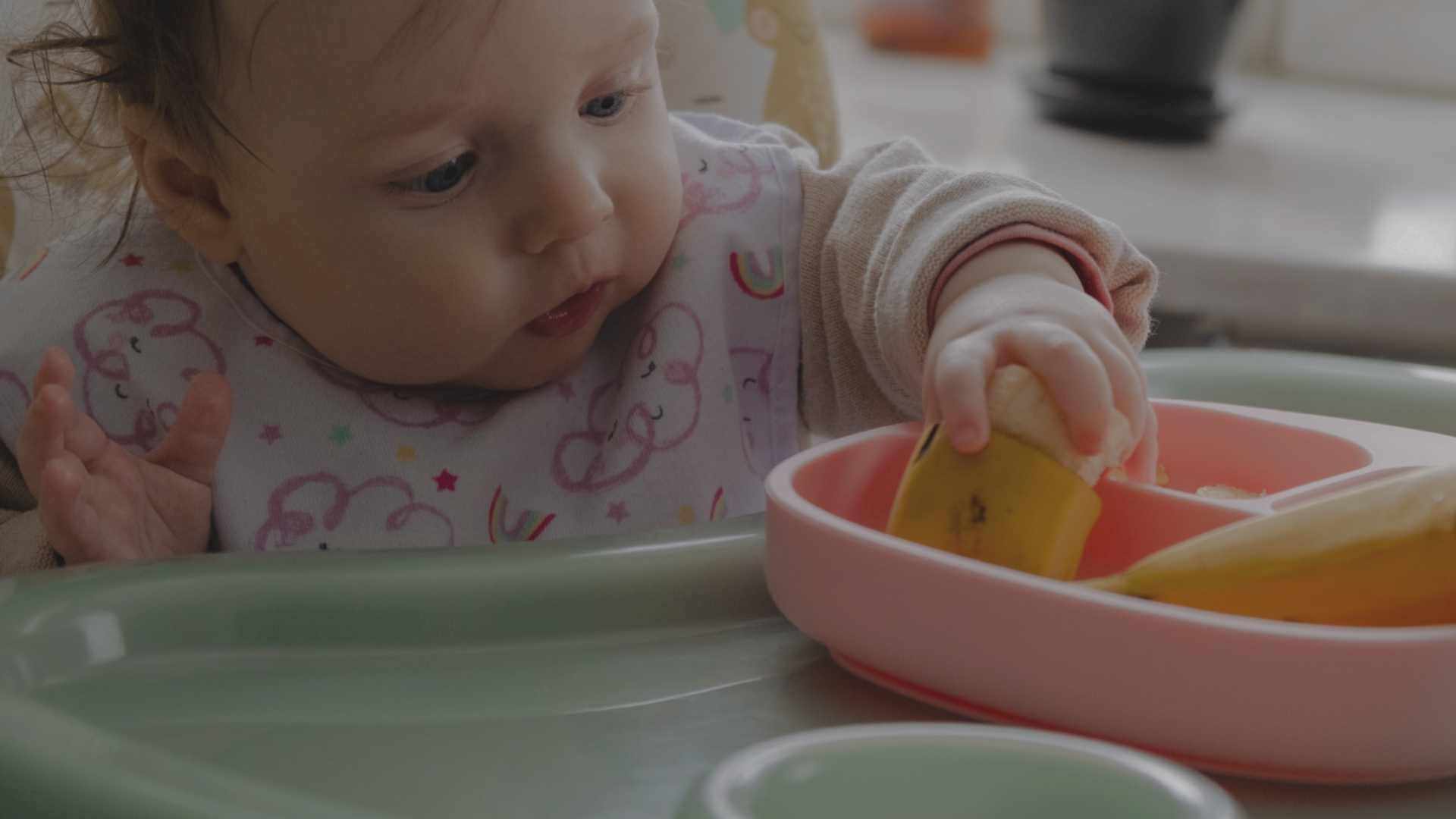

Support for parents navigating first foods, choking worries, feeding schedules, and early solids with clarity, safety, and confidence.
Starting Solids Doesn’t Have to Feel Scary
Serving families in Queens, NY and across New York City, with virtual feeding support available worldwide.

Why Starting Solids Can Feel Hard
Feeding your child solids should be a joyful, exploration-filled experience, yet for many families it can feel confusing, stressful, or even scary. Questions like “Are they ready?”, “What foods do I start with?”, and “What if they choke?” can quickly take the joy out of mealtimes. These worries are common and completely understandable when beginning this transition. With the right guidance, this stage can feel calmer and more manageable—and that’s where we come in.
What Starting Solids Support Is
Starting solids support focuses on helping families navigate the transition from milk (breast or bottle) to foods in a way that feels safe, developmentally appropriate, and responsive to your child’s unique needs and feeding style. We help you understand readiness cues, reduce fear around gagging vs choking, balance milk and solid intake, and build confidence at the table.


Common Concerns Parents Have When Starting Solids
You may be looking for support if:
You’re unsure when or how to begin offering solid foods

You’re worried about choking, gagging, or safety during meals
You’re feeling uncertain about baby-led weaning versus spoon-feeding
Your baby shows little interest in solids or relies heavily on milk, purees, dissolvables, or pouched foods.
You’re unsure how to balance milk feeds and solid meals
Your child has a medical or developmental complexity that makes feeding harder
You’re not sure which foods or equipment are appropriate at each stage
How We Support Families With Starting Solids
The transition to solids happens during a unique window when babies are especially open to learning about food. During this time, they begin to explore textures, practice moving food safely in their mouth, and develop early chewing skills. Supporting these skills early helps children build confidence with self-feeding and sets the foundation for a smoother feeding journey ahead.
At Kids Feeding Wellness, we focus on helping families make the most of this learning window. Our goal is to support positive, pressure-free feeding experiences while providing your child with the right learning opportunities at the right time.
-
We begin by helping you understand whether your child is developmentally ready for solids. This includes looking at signs such as head and bringing objects to their mouth. Starting solids at the right time supports safety, comfort, and confidence from the beginning.
-
Many parents worry about gagging, choking, and whether they’re offering foods safely. We take time to explain the difference between gagging and choking, how oral motor development supports safe eating, and how to approach first foods in a way that feels informed rather than intimidating. When parents feel prepared, meals feel calmer for everyone.
-
There is no one “right” way to start solids. Whether you’re considering baby-led weaning, traditional spoon-feeding, or a blended approach, we help you choose what best fits your child’s skills, temperament, and developmental stage. Our focus is always on supporting learning rather than forcing intake.
-
One of the most important (and often overlooked) parts of starting solids is texture progression. We guide families in offering food textures that match their child’s current abilities while gradually expanding variety. This progression provides essential learning opportunities that support jaw strength, tongue movement, and the development of strong chewing skills over time.
-
Milk remains a major source of nutrition early in the solids journey. We help families understand how to balance breast, bottle, or formula feeds with solid meals so your child continues to grow well while learning to eat without pressure or confusion.
-
The right setup can make a big difference when starting solids. We help families understand what to look for in a supportive high chair and guide you on choosing age-appropriate utensils and plates that encourage participation without adding frustration.
We also share practical recommendations for simple, helpful tools to use when preparing your baby’s food so mealtimes feel more manageable and less stressful.
-
Some babies have sensory sensitivities, oral motor challenges, or medical complexities that make starting solids more difficult. We help families interpret what they’re seeing, understand why feeding may feel harder, and create an individualized plan that respects their child’s needs while still supporting progress.
What to Expect From a Virtual Feeding Consultation
*In-home services are available to families residing in New York state.
-
Families begin by scheduling a 60-minute virtual consultation. Your child does not need to be present for this call. The goal is to gain a clear understanding of what’s been happening with feeding and what support may be helpful moving forward.
-
Before the consultation, you’ll complete a brief intake form that reviews your child’s feeding history, medical background, and current concerns. This allows Argie to come prepared and make the most of your time together.
-
During the consultation, you and Argie will discuss your child’s current feeding patterns, developmental readiness for solids, and any worries around safety, schedules, or textures. This is also a time for you to ask questions and receive initial guidance tailored to your child’s needs.
-
After the consultation, Argie will provide clear, individualized recommendations. This may include parent coaching, ongoing guidance with feeding strategies, or support during real-time meals—where parents receive live feedback, suggestions, and reassurance while feeding their baby. Guidance around whether a feeding evaluation would be helpful is also discussed, and follow-up support is always tailored to your family’s goals and needs.
Learn about Billing & Insurance.
Frequently Asked Questions
-
I support families with children from birth through 10 years of age, including infants, toddlers, and school-age children experiencing feeding challenges.
-
I provide feeding therapy and parent coaching for a range of challenges, including bottle feeding, starting solids, and picky eating. Support is grounded in parent education, collaboration, and practical strategies for home.
-
Yes. I provide virtual feeding support and parent coaching for families regardless of location. Virtual sessions focus on education, observation, and practical guidance parents can apply at home.
-
Yes. In-person feeding support is available for families located in New York City. Sessions take place in your home to support feeding in a familiar, real-life environment.
-
In-home sessions include a travel fee of $20 per half hour of round-trip travel, calculated from the clinician’s home to the client’s home.
-
Services begin with an initial 60 minute feeding consultation. Families complete an intake form so I can understand your child’s medical and feeding history, current concerns, and how feeding challenges are impacting your family.
-
Yes. Virtual and in-home feeding evaluations are offered for infants and children. Evaluations require a food journal log and home feeding videos, and when needed and oral motor exam, to support a thorough assessment.
Following the feeding evaluation, families are provided with a written report that includes evaluation findings, clinical impressions, and an individualized plan of care.
-
Services are individualized and based on each child and family’s needs. Some families feel supported after one consultation, while others benefit from ongoing sessions.
-
Families receive a detailed written session summary with clear next steps following each session.
Optional add-on supports, available for an additional fee, include email support, home video review, and food journal feedback.
-
Kids Feeding Wellness is an out-of-network feeding therapy provider and does not accept insurance. A superbill (a detailed receipt) is provided for families to submit to insurance for possible reimbursement.
We've helped parents like you...