A Better Way to Help Your Child Try New Foods (Without Pressure)
If you’ve ever sat at the dinner table wondering what to do when your child refuses a food—you’re not alone.
Many of the families I work with come to me feeling stuck. They’ve tried encouraging, negotiating, even avoiding new foods altogether just to keep the peace. But over time, this can lead to a child eating a very limited variety of foods and increasing stress around mealtimes.
As a pediatric feeding specialist, I want you to know this: what looks like “picky eating” is often not about behavior—it’s about how a child experiences and learns about food.
Why Some Children Struggle with New Foods
Children don’t just decide to eat new foods—they need to learn how.
For some children, especially those with feeding challenges or a pediatric feeding disorder, new foods can feel overwhelming. The look, smell, texture, and even the expectation to eat can trigger hesitation or refusal.
This is where many parents begin searching for things like food aversion therapy for kids, trying to find a solution that actually works without causing more stress.
The Missing Piece: Understanding the Steps to Eating

One of the most important things I teach families is that eating is a process.
Before a child ever takes a bite, they move through multiple steps:
Tolerating the food nearby
Interacting with it
Smelling it
Touching it
Tasting it
When we skip these steps and go straight to “just take a bite,” it often leads to resistance.
How I Use the Learning Plate in Therapy & At Home
In my feeding therapy sessions, home feeding programs, and parent consultations, one of the most effective tools I use is the Learning Plate.
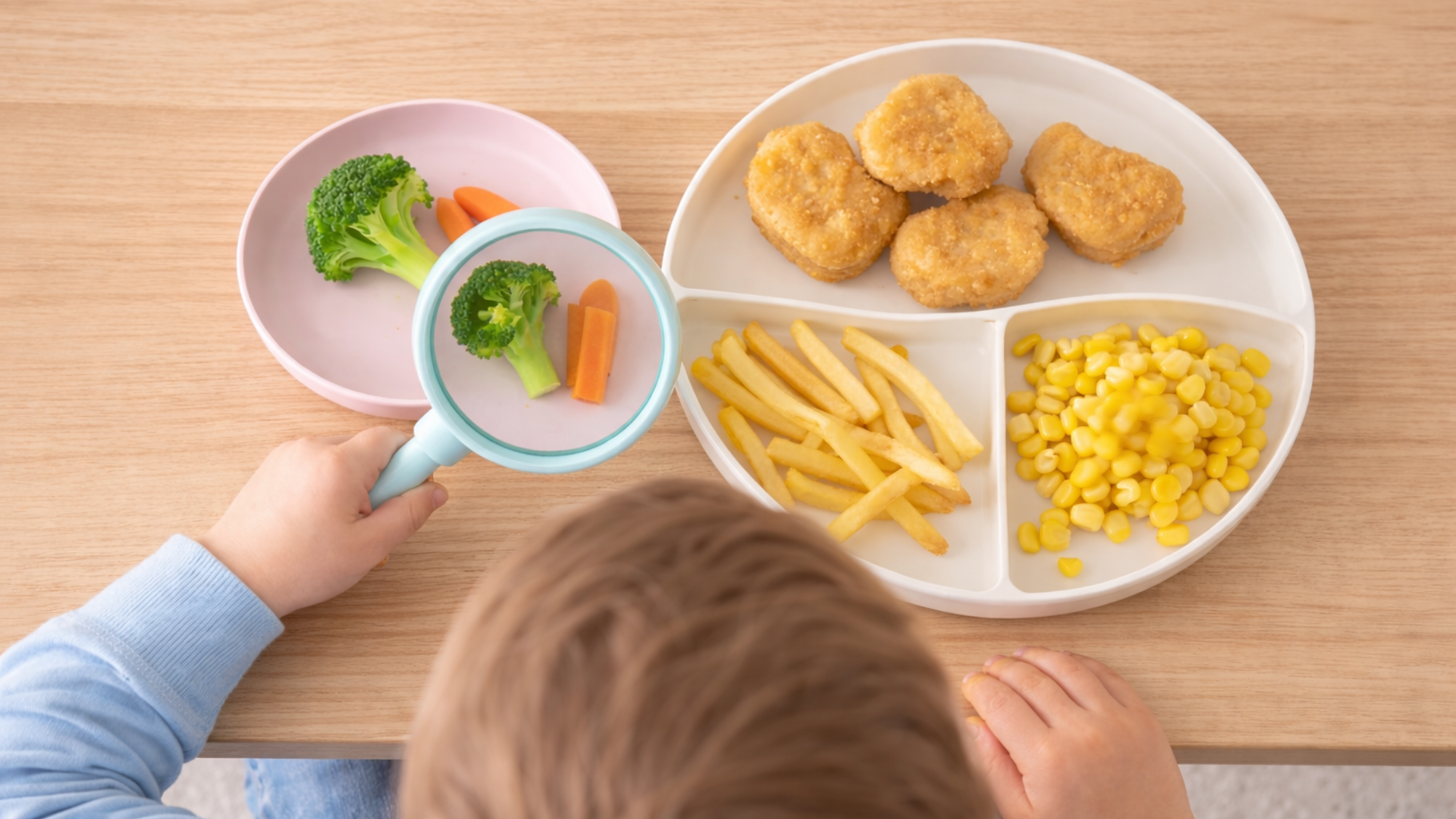
A learning plate is a separate plate where new or unfamiliar foods are placed—without pressure to eat them.
Here’s why it works:
It gives children control and autonomy
It reduces pressure and anxiety around food
It creates space for exploration and learning
It supports progress through the Steps to Eating
Instead of forcing a bite, we guide children to interact with food in ways that feel safe. Over time, this builds familiarity, confidence, and eventually, willingness to taste and eat.
Where Progress, Trust, and Confidence Come Together
When parents begin using a learning plate, something powerful starts to shift. Mealtimes feel calmer, children become more curious, and progress (while gradual) becomes more consistent. With this approach, parents no longer feel stuck between pressuring their child to eat or avoiding new foods altogether. Instead, they can follow their child’s pace while still taking the lead in guiding them on how to explore and feel comfortable around new foods.
The goal isn’t to get your child to eat a new food right away but to help them feel safe enough to learn. In doing so, this approach also preserves the parent-child relationship at the table, creating a more positive and connected mealtime experience that can naturally encourage children to try new foods over time.
Ready to Try This Approach at Home?
If you’re looking for a clear, step-by-step way to support your child with picky eating, I created a guide to walk you through exactly how to use this approach in your own home.
Teach Your Child to Eat New Foods Using a Learning Plate gives you the tools, strategies, and understanding you need to reduce mealtime stress and help your child build confidence with food—at their own pace.
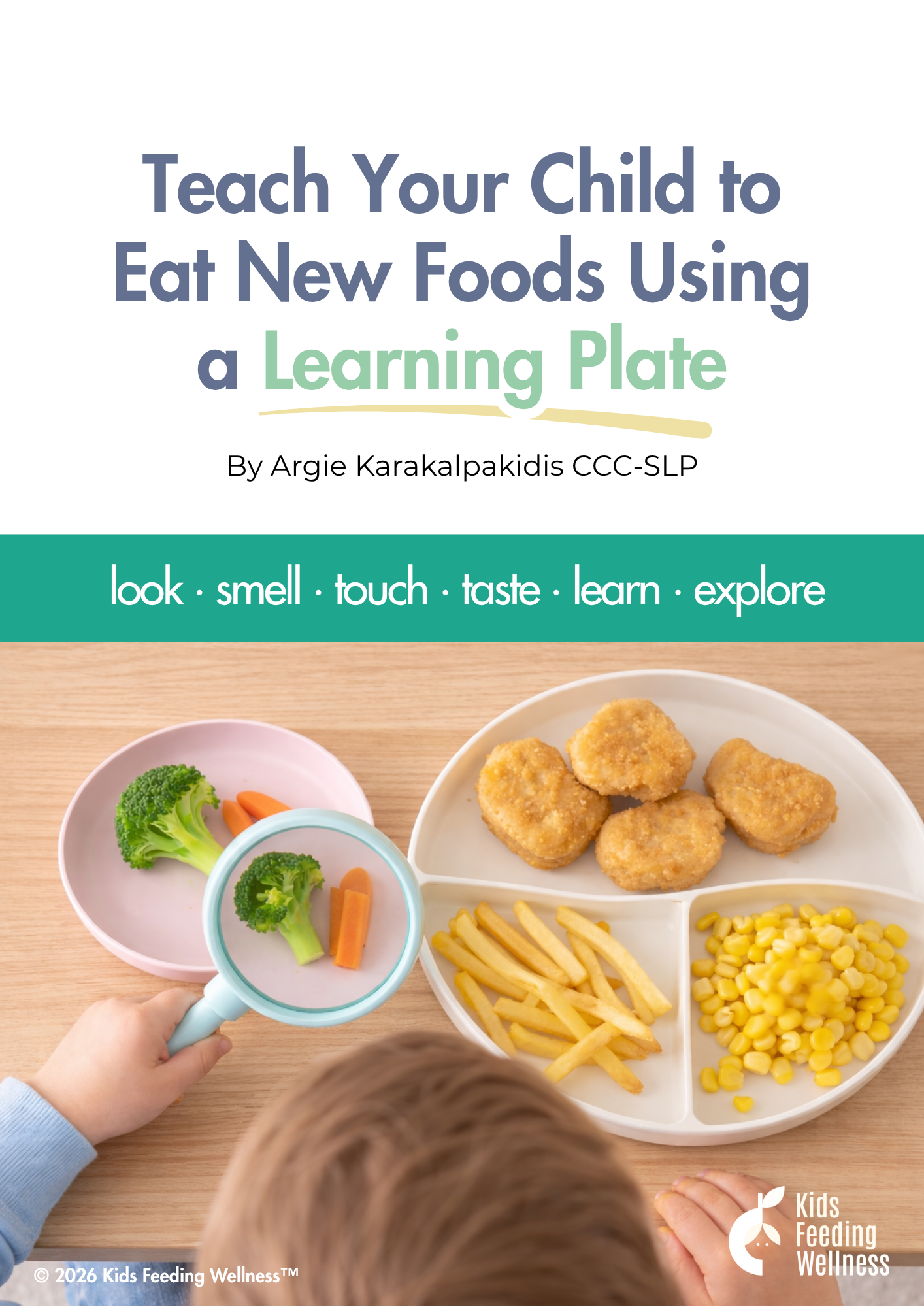
20 pages - Ages 3+
Not sure what to do when your child refuses a food?
It’s dinner time. You’ve made a delicious meal, hoping (maybe even crossing your fingers) that your little one will be open to trying it… only to be met with the familiar, “Ew, I don’t like that!”
Now you’re left wondering what to do next.
Do you pressure them to take a bite? Offer a reward? Or avoid new foods altogether just to keep the peace?
While these approaches might work in the moment, they often leave children stuck eating the same few foods—while mealtimes continue to feel stressful and uncertain.
There is another way.
This guide introduces you to the Learning Plate—a simple, effective approach that helps children become comfortable with new foods without pressure, tricks, or power struggles.
Because for many children, what looks like “defiance” is actually fear—fear of being pushed to eat something their body doesn’t feel ready for yet. Children don’t just decide to eat new foods… they need to learn how.
And that’s exactly what this guide will help you do.
Inside this guide, you’ll learn how to:
Confidently introduce new foods without pressure
Understand the Steps to Eating and what your child actually needs before taking a bite
Support your child at each stage of food learning
Reduce mealtime stress and build a more positive feeding environment
Use simple, practical strategies you can start using right away
By the end, you’ll have a clear, supportive roadmap and a toolbox of strategies to help your child build comfort, confidence, and curiosity around new foods at their own pace.
Whether you’re a parent navigating picky eating or a clinician supporting families, this guide will give you the clarity and tools you’ve been looking for.