Picky Eaters Turned Chefs: When Sensitivity to Food Becomes a Strength
Many children who are selective with food are deeply aware of texture, flavor, smell, and how food feels in their body.
This heightened awareness can make eating difficult in the early years. Certain textures may feel overwhelming. Strong flavors may feel too intense. A new food may create uncertainty simply because the sensory experience is unfamiliar.
But that same sensitivity—the ability to notice the smallest differences in taste, smell, and texture—can also become an incredible strength.
In fact, several chefs have shared that they were picky eaters growing up.
Over time, their curiosity about food, combined with supportive experiences in the kitchen, allowed that sensitivity to transform into something powerful: a refined palate and a deep understanding of flavor.
Below are a few chefs who once struggled with food but later turned their awareness into a culinary advantage.
Chase Bailey
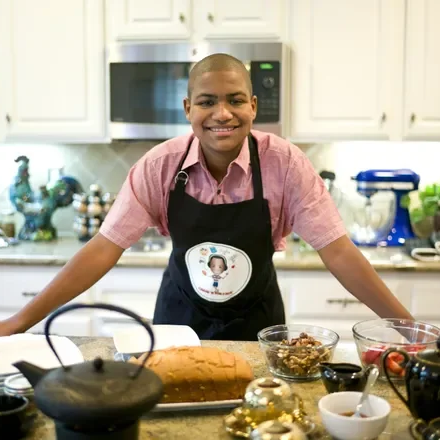
Chase Bailey is a young chef who shows how dramatically a child’s relationship with food can change over time.
As a child, Chase ate only a very small number of foods.
“For most of his childhood, Chase Bailey liked exactly three foods: chips and dip, cookies, and pizza.”
Chase was diagnosed with autism as a toddler and experienced challenges with sensory processing, which made food particularly overwhelming.
His turning point came when he discovered cooking shows at age eight. Watching others cook and eat helped him slowly become curious about food in a way that felt safe.
His mother later explained that seeing food prepared and enjoyed by others helped him gradually feel comfortable exploring it himself.
Chase later launched his own YouTube cooking show called “Chase ’N Yur Face,” where he shared creative recipes and cooked alongside well-known chefs. He also published his own cookbook featuring more than 75 original recipes. Today, Chase has expanded into acting and filmmaking, continuing to explore creative ways to tell stories and inspire others.
His journey shows how curiosity, exposure, and hands-on experiences can completely change a child’s relationship with food.
Learn more about Chase’s culinary story here: https://www.brainandlife.org/articles/chase-bailey-autism-cooking-show
Jason Quinn
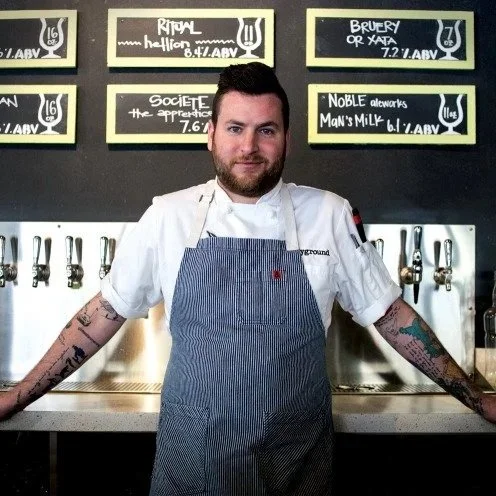
Jason Quinn has spoken openly about how limited his food preferences were growing up.
Chef Jason Quinn, winner of MasterChef Season 8, has shared that he was once an extremely selective eater as a child.
“Growing up in Irvine, Quinn was an ‘insanely picky eater.’ ‘Pizza, plain cheeseburgers—that's it,’ he recalls.”
Everything began to change when he discovered cooking. What started as curiosity quickly became a passion.
“It was almost like a curse… If you get the bug, you have to do it.”
Cooking allowed him to explore ingredients, flavor, and technique in a way that felt safe and exciting rather than overwhelming. Over time, that curiosity grew into a culinary career.
Read the full interview to learn more here: https://www.ocweekly.com/jason-quinn-will-meet-you-at-the-playground-6421201/
Nickolas Gutierrez

Nickolas Gutierrez is the founder of the business Picky Eaters, and his personal story is one that many parents will immediately recognize.
Growing up in Brooklyn, Gutierrez had a very limited diet and avoided many foods that felt unfamiliar.
“I grew up on carbs, meat and cheese; mainly bagels, pizza, pasta and fast food.”
Like many selective eaters, unfamiliar foods felt overwhelming and unpredictable.
“Whether it was texture, taste, smell, color, or the way it looked, I came up with any reason to avoid eating things I didn’t know.”
Over time, however, his relationship with food began to change when he started learning how to cook. Through cooking, he began to understand ingredients, flavors, and techniques in a completely different way.
“As I learned to cook, developing proper techniques and a better understanding of flavors, I became increasingly curious and found myself seeking out ways to incorporate ingredients that I’d previously avoided at all costs.”
What once felt intimidating slowly became something exciting and creative. Today, Gutierrez runs his business Picky Eaters, inspired by his own journey and his belief that trying new foods can become an adventure.
As he explains:
“Food is something that brings everyone together… trying new things can be intimidating.”
To learn more, read his full story here: https://www.pickyeatersfc.com/my-story
Juliette Feller

Juliette Feller is a chef and food writer who has openly shared her experience growing up as a picky eater.
As a child, unfamiliar foods created genuine anxiety. Many textures and flavors felt overwhelming, and meals outside the home often became stressful situations.
In her article “Bite by Bite: From Picky Eater to Passionate Chef,” Feller describes the worry she felt around food growing up:
“Overall, I seemed to possess a genuine fear of experiencing an unpleasant taste which further discouraged me from trying anything new.”
What eventually changed her relationship with food was learning to cook. Preparing food allowed her to see ingredients individually, understand how flavors worked together, and explore food at her own pace.
She explains the turning point simply:
“Cooking empowered me and my eating habits. Everything I made, I ate.”
Through cooking, curiosity replaced fear. Understanding ingredients and the process behind dishes helped her gradually expand her comfort with new foods.
Looking back, Feller reflects on how those early experiences shaped her path:
“Perhaps, if I hadn’t spent years eating plain foods, I would never have developed such a strong interest in different cuisines later in life.”
If you wish to read her full story, you can find it here: https://juliettefeller.com/articles/from-picky-eater-to-passionate-chef
When Sensory Awareness Becomes a Strength
Many children who are selective with food are not simply being “difficult.”
Often, they are deeply aware of the sensory properties of food:
texture
flavor intensity
smell
temperature
how food feels in their mouth and body
This awareness can make unfamiliar foods feel overwhelming at first.
But with the right support, that sensitivity can become a powerful advantage.
Children who notice these details often develop an incredible ability to appreciate food once they feel safe exploring it.
The Power of Hands-On Food Experiences
One of the most helpful ways to support selective eaters is to allow them to interact with food without pressure to eat it right away.
When children are invited to:
touch food
cook with food
smell ingredients
prepare meals
explore food through play
something begins to shift.
Food becomes less about fear and more about curiosity.
Less about pressure and more about confidence.
A Message for Parents
If your child is cautious with food, it does not mean something is wrong.
It may simply mean they are paying closer attention to the sensory experience of eating.
With patience, supportive exposure, and opportunities to explore food in creative ways, children can build confidence over time.
Your child doesn’t need fixing.
They need understanding, safety, and space to grow.
And from there, amazing things can unfold.