Rebuilding Trust at the Table: A Responsive Feeding Approach

When Feeding Feels Stressful: Why Trust at the Table Matters
At Kids Feeding Wellness, we often meet families when trust at the table feels fragile. When a child struggles with feeding, mealtimes can quickly become stressful, emotional, and overwhelming for both children and caregivers. Over time, this stress impacts not only what a child eats, but how safe and connected they feel during meals.
Our approach is rooted in responsive feeding because it prioritizes connection and structure over control. When children feel emotionally safe and understand what to expect at meals, they are more willing to participate. As caregivers grow more confident in reading cues while holding steady boundaries, mealtimes become calmer and progress becomes more sustainable.
What Is Responsive Parenting? (And Why It Matters for Feeding)
Responsive parenting is built on reciprocity — a back-and-forth exchange between caregiver and child. Children communicate through movement, facial expressions, sounds, words, and behavior. Caregivers respond in ways that support emotional regulation, communication, and growing independence.
Research shows that responsive parenting supports psychoemotional, social, and cognitive development (Pérez-Escamilla et al., 2021).
This framework is grounded in:
Attachment theory — children learn best when they feel emotionally safe and securely connected.
Socialization theory — children learn the norms, values, behaviors, and skills of their family and culture through everyday interactions.
Ecological and transactional theory — children are shaped by routines, environments, and relationships over time.
Self-determination theory — children thrive when they feel competent, connected, and capable of having influence within safe limits.
At its core, responsive parenting means noticing signals and responding consistently.
Responsive Feeding: Connection and Structure
Responsive feeding is often misunderstood as simply “following the child’s lead.” In reality, it integrates attunement with steady guidance.
Responsive feeding means:
Protecting predictable meal and snack rhythms
Offering food in a consistent location
Noticing hunger and fullness cues
Responding calmly without pressure
Adjusting support as development changes
It supports children in learning to eat independently while feeling safe.
Research shows responsive feeding is associated with:
Greater fruit and vegetable intake
Stronger hunger and fullness awareness
Improved self-regulation
More positive mealtime experiences
(An et al., 2025; Black & Aboud, 2011)
The 4 Steps of Responsive Feeding
Responsive feeding follows a repeatable pattern:
1. Set the stage.
Create predictable routines. Meals and snacks occur at regular times in a designated eating space with supportive seating and minimal distractions.
2. Notice the signal.
Children communicate hunger, fullness, stress, or interest through their body, pace, and behavior.
3. Respond calmly.
Acknowledge cues without pressure, bribery, distraction, or force.
4. Adjust support.
Offer help when needed. Step back when ready. End the meal when cues show fullness.
Over time, this predictable rhythm builds trust.
Why Structure Matters in Toddlerhood
Toddlerhood is not simply a “picky phase.” It is one of the most formative learning periods for a child’s long-term relationship with food.
During this stage, toddlers move through four overlapping developmental shifts that directly shape how they eat:
The Drive for Independence
Toddlers are wired to assert autonomy. Saying “no,” pushing food away, or insisting on sameness are part of identity development — not defiance.The Shift in Growth and Appetite
Growth naturally slows after infancy. Appetite becomes less predictable. Intake may vary widely from day to day. This is normal — but without structure, it can feel alarming.Developing Emotional Regulation
Big emotions emerge before regulation skills are fully built. Hunger, fatigue, overstimulation, and transitions can all show up at the table.Food Neophobia
A biologically protective stage where unfamiliar foods are approached with caution. This is a developmental milestone, not a feeding failure.
When these four shifts overlap, mealtimes can suddenly feel unpredictable. What once worked may no longer work. Preferences may become stronger. Mealtimes may feel less predictable.
Without clear boundaries around where food is offered, when meals occur, and who decides what, feeding can quickly become either permissive or power-driven. Responsive feeding without boundaries becomes chaotic. Boundaries without responsiveness become controlling. Healthy feeding requires both.
This stage is especially important because toddlers are building internal patterns about what mealtime means. They are learning where food is served, when food is offered, how adults respond, and what it feels like to eat within a family system. These early experiences shape appetite regulation, flexibility with food, emotional safety, and long-term trust at the table.
Introducing: The Toddler Table Series
Toddlerhood is not just a challenging stage. It is a foundational one.
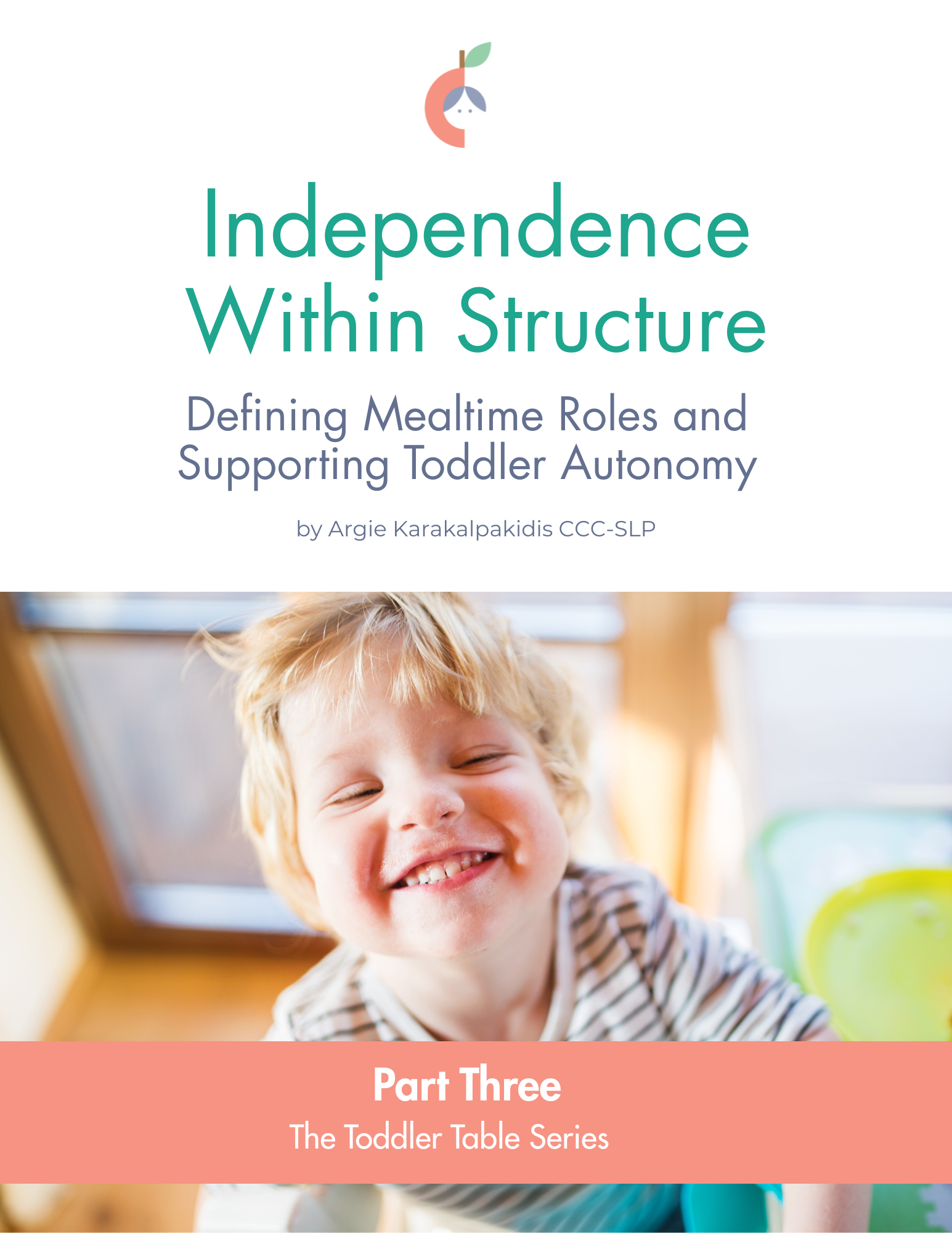
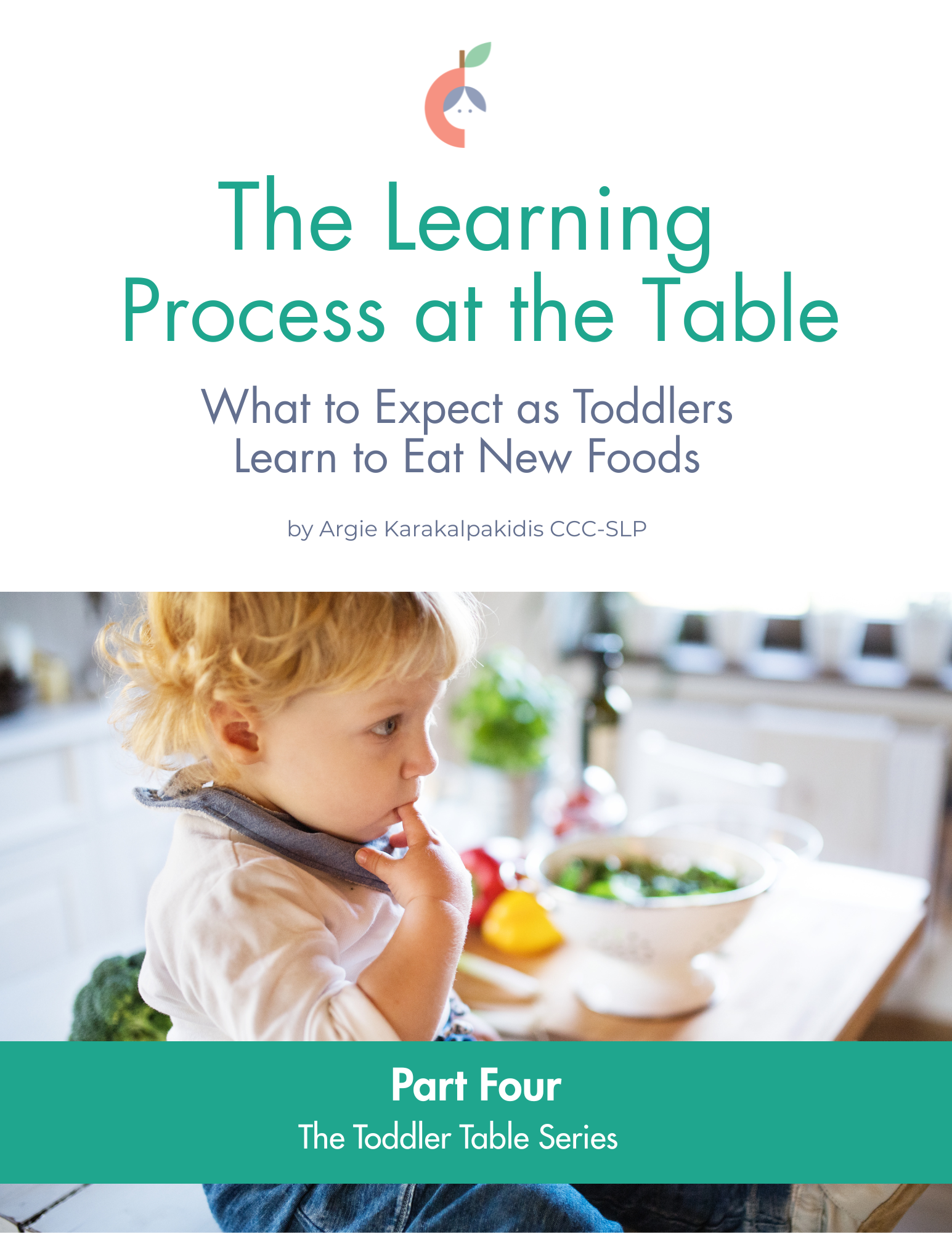
That’s why we created The Toddler Table Series — a step-by-step approach to help you understand what’s happening at the table and how to respond with confidence.
We begin with:
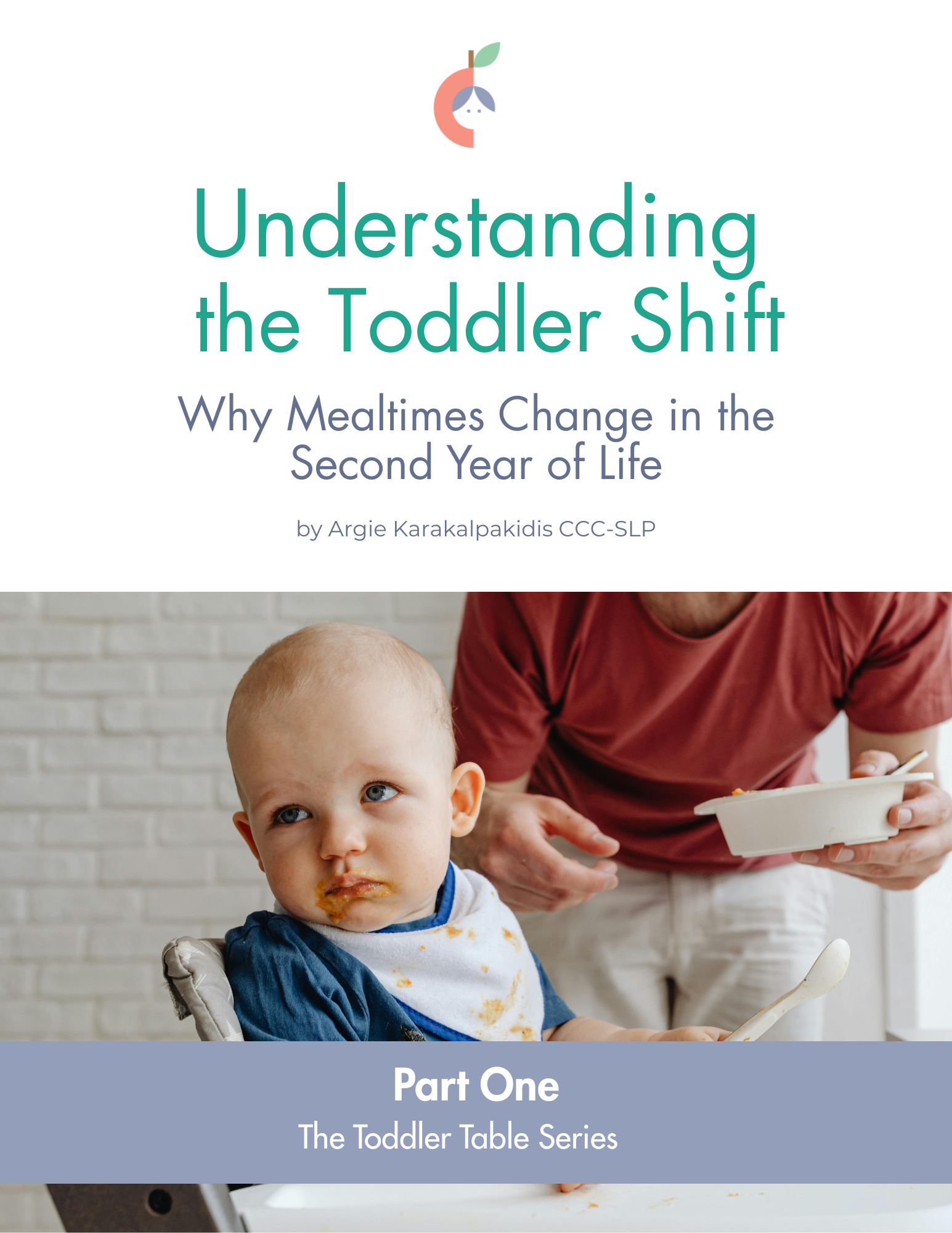
Understanding the Toddler Shift: Why Mealtimes Change in the Second Year of Life (Part One) — a guide that breaks down the why behind picky eating, including appetite changes, independence, emotional development, and food neophobia.
From there, we move into:
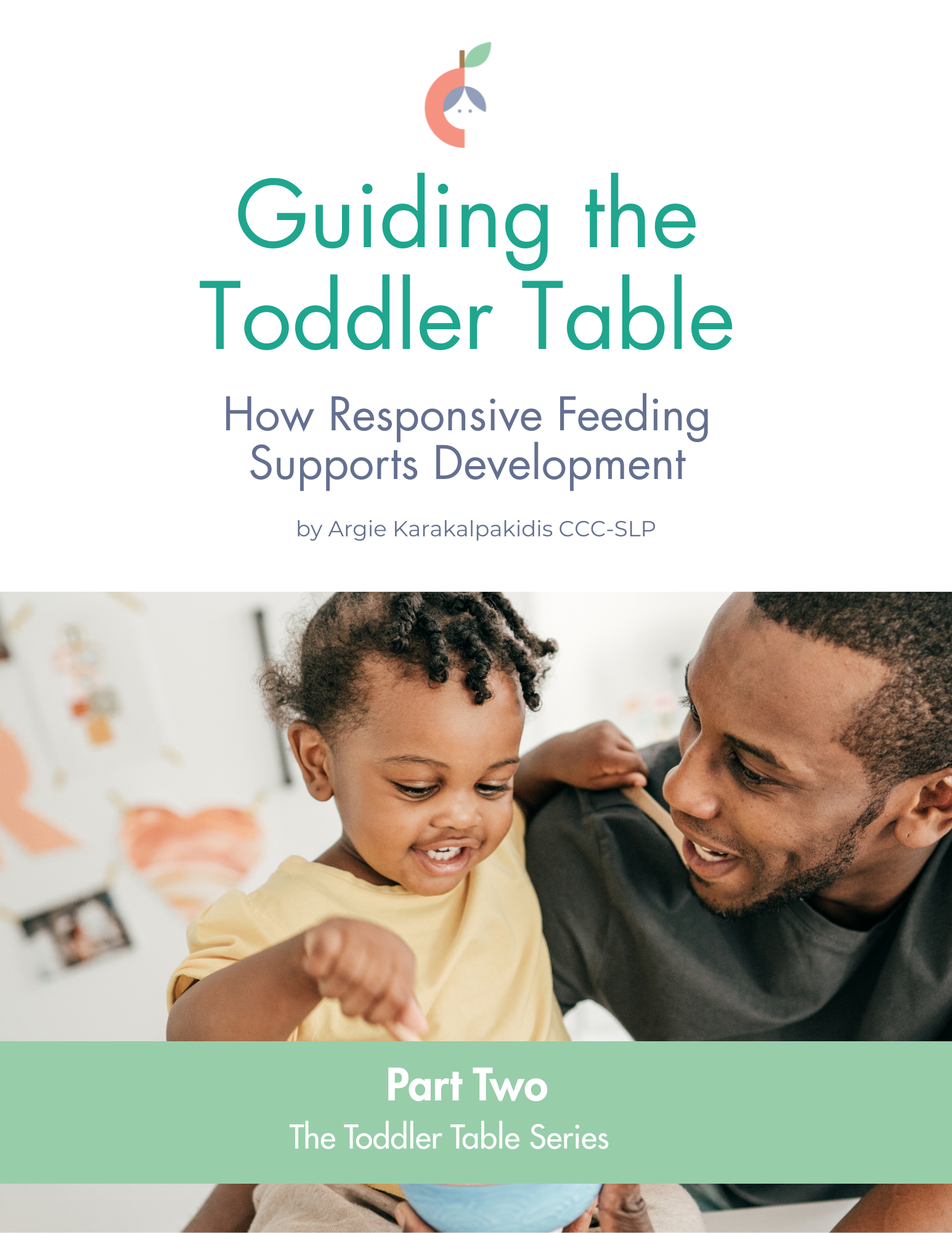
Guiding the Toddler Table: How Responsive Feeding Supports Development (Part Two) — where we show you exactly how to respond using responsive feeding to reduce pressure, support development, and create calmer, more connected mealtimes.
We’re continuing to expand this series with more tools, strategies, and resources to support you through every stage of toddler feeding.
Sign up here to be the first to know when new guides are released and continue building confidence at the toddler table.
References
An, M., Liu, X., Wu, N., & Zhou, Q. (2025). Association between caregivers’ responsive feeding practices and the intake of fruit and vegetable among children aged 6–36 months: The mediating role of children’s enjoyment of food. Appetite, 108325. https://doi.org/10.1016/j.appet.2024.108325
Black, M. M., & Aboud, F. E. (2011). Responsive feeding is embedded in a theoretical framework of responsive parenting. The Journal of Nutrition, 141(3), 490–494. https://doi.org/10.3945/jn.110.129973
Pérez-Escamilla, R., Jimenez, E. Y., & Dewey, K. G. (2021). Responsive feeding recommendations: Harmonizing integration into dietary guidelines for infants and young children. Current Developments in Nutrition, 5(6), nzab076. https://doi.org/10.1093/cdn/nzab076