

Growing at the Table
Insights on feeding development, learning to eat, and creating calm, connected mealtimes.
Browse by topic or search for specific feeding concerns.

Why Toddlers Suddenly Become Picky Eaters (And What It Really Means)
Does your toddler suddenly refuse foods they used to eat? Learn why picky eating often emerges during normal toddler feeding development—and how understanding the “why” can transform mealtimes.
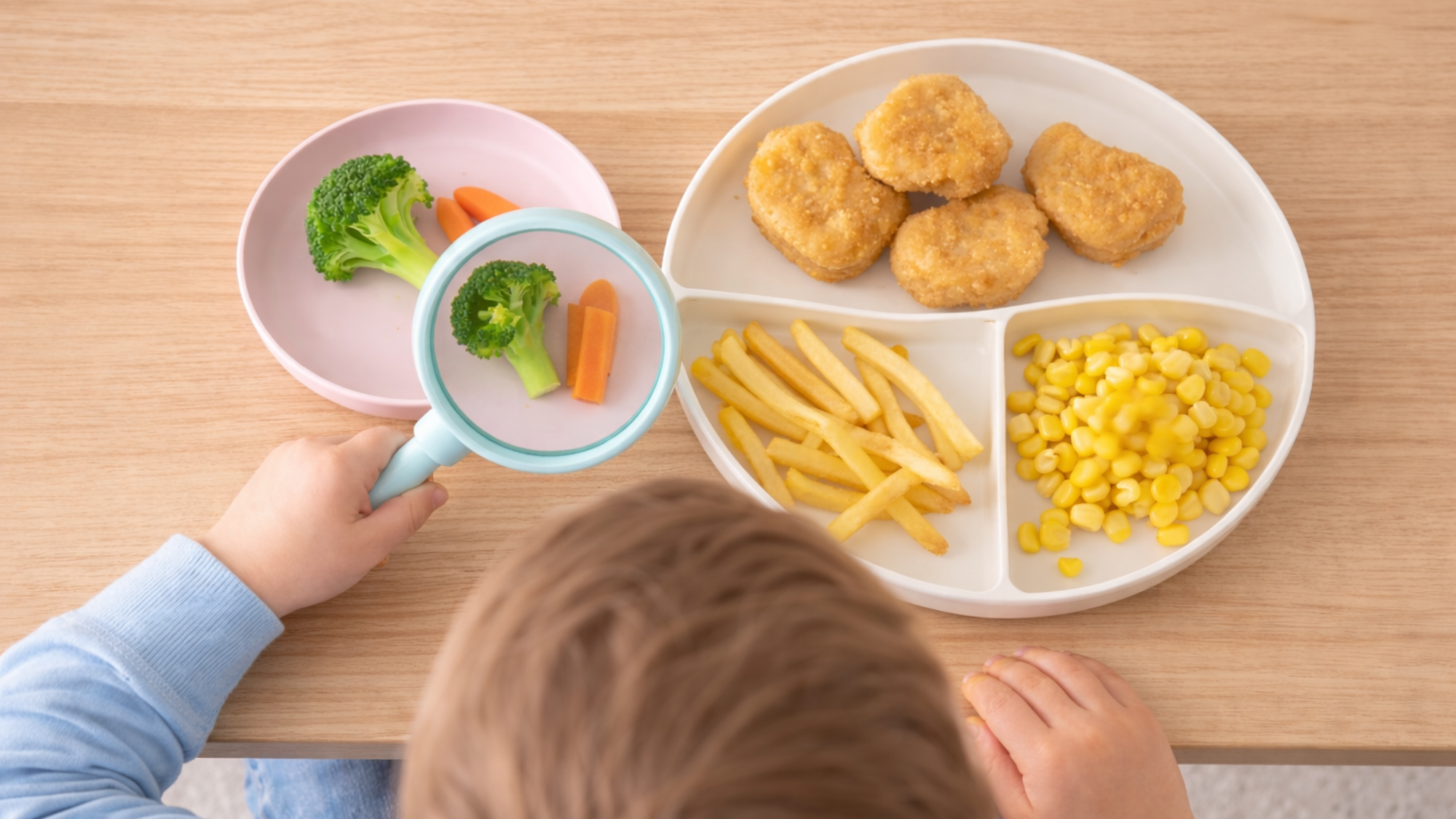
A Better Way to Help Your Child Try New Foods (Without Pressure)
Not sure what to do when your child refuses a food? Discover a simple, low-pressure approach that helps children build comfort and confidence with new foods—without mealtime battles or power struggles.

Picky Eaters Turned Chefs: When Sensitivity to Food Becomes a Strength
Some of today’s chefs once avoided most foods on their plate. As children, texture, smell, and unfamiliar ingredients felt overwhelming. But over time, curiosity, cooking, and hands-on food experiences helped transform their relationship with food. In this blog, we share the inspiring stories of chefs who went from picky eaters to passionate cooks—and what parents can learn from their journeys.

Rebuilding Trust at the Table: A Responsive Feeding Approach
When feeding feels stressful, responsive feeding helps rebuild trust, safety, and connection at the table. This parent-friendly guide explains what responsive feeding is, what it looks like in real life, and how small shifts can make mealtimes calmer and more supportive.

When Is It More Than Just Picky Eating?
Not all picky eating is the same. Learn how to recognize signs of Pediatric Feeding Disorder or ARFID and understand when feeding challenges may need extra support.

5 Books to Help Prepare Your Cautious Eater for Thanksgiving
Thanksgiving is such a warm and meaningful holiday, but for a cautious or sensitive eater, it can be a lot to handle. New smells fill the house, unfamiliar dishes take over the table, conversations get loud, and suddenly there’s so much pressure around eating. For a child who thrives on routine and predictability, that’s a recipe for overwhelm.
Before a child can even think about tasting something new, they first need to feel safe with it. That’s why Level One of the 5 Levels of Food Exposure™ at Kids Feeding Wellness™ centers on Educational Exposure—helping children learn about foods through gentle, low-pressure experiences.

When “Just One Bite” Backfires: How to Support Your Picky Eater Without Pressure
If your toddler has ever said “I don’t like it!” the second you serve a new food, you’re not alone. Research shows that the way we respond in these moments matters. In our latest blog, discover the difference between supportive vs. coercive prompts, get real-life phrases you can use at the table, and download a free one-page fridge guide to keep mealtimes calm and positive.

How Books Can Help Picky Eaters Try New Foods — Without Pressure at the Table
Helping a picky eater try new foods isn’t just about what happens at the table — it’s about what happens outside of mealtime too. Children’s books provide a pressure-free way to spark curiosity, teach positive food scripts, and build confidence around new foods. By exploring colorful characters and relatable stories, cautious eaters can learn that trying something new can be fun, safe, and even exciting. In this blog, we’ll share five engaging books that gently encourage kids to approach food with an open mind — no pressure required.

Helping Picky Eaters: The 5 Levels of Food Exposure™ to Build Food Trust
Picky eating isn’t just a phase—it’s a complex behavior shaped by development, sensory preferences, and a child’s level of food familiarity. At Kids Feeding Wellness™, we created the 5 Levels of Food Exposure™—a step-by-step protocol designed for children ages 2 and up—to help families and feeding professionals support cautious eaters in building food trust at their own pace. Backed by research and grounded in real-life success, this approach gently encourages exploration without pressure, helping children become more confident and curious around food.

How Mealtime Schedules and Routines Help Picky Eaters Enjoy Peaceful Meals
Struggling with mealtime battles or endless snack requests? Learn how simple schedules and routines can help your child feel secure and arrive at the table ready to eat. This guide breaks down meal timing by age, tips for reducing grazing, and practical ways to build healthy habits. Plus, grab your free It’s Time to Eat! printable mealtime schedule to make mealtimes calmer and more predictable.

Does Your Picky Eater Really Need Feeding Therapy?
Many parents feel lost when it comes to their child's picky eating—wondering if feeding therapy is the only solution. But what if there was a way to understand the why behind your child's eating behaviors and create a supportive environment at home without relying on therapy?
In this blog, I dive into the real reasons behind picky eating—from genetics and sensory sensitivities to developmental phases—and introduce my Feeding Foundations Session. This 1.5-hour personalized deep dive helps parents gain the tools they need to empower their child for a lifetime of feeding success—without feeling stuck in an endless cycle of therapy.
If you’re ready to take control of mealtimes and help your child thrive, this is for you!

Trusting a Child’s Intuition: How Dr. Clara Marie Davis Revolutionized Infant Feeding
This blog explores the groundbreaking work of Dr. Clara Marie Davis, a pioneering physician who revolutionized the way we understand child feeding. In the 1920s, when strict dietary prescriptions led to widespread food refusal in children, Davis conducted a radical experiment that allowed infants to select their own foods without adult interference. Her findings laid the foundation for responsive feeding, proving that children can self-regulate their intake and develop healthy eating habits when provided with a supportive environment and nutritious options. Read on to discover how her research continues to shape modern feeding practices.

Redefining Feeding Success
Feeding success goes beyond getting your child to try new foods—it’s about fostering lifelong confidence, connection, and joy at the table. This blog shifts the focus from short-term wins to creating a supportive mealtime environment where your child feels safe to explore food at their own pace.
Discover practical strategies like the Division of Responsibility (DOR), reducing pressure, and making mealtimes about connection rather than food. By addressing stress and fostering trust, you can raise a confident eater who enjoys a variety of foods and builds a lasting, positive relationship with eating and family.

Understanding Sensory Processing: Its Role in Picky Eating and Feeding Behaviors
In this blog, we will explore the intricate relationship between sensory processing and how sensory experiences shape a child's willingness to try new foods. We’ll discuss what sensory processing is, the common signs of sensory challenges during feeding, and how these difficulties can manifest in a child’s eating habits. Additionally, we will provide practical tips for parents to support their children in expanding their food repertoire while considering their unique sensory profiles.

Messes That Matter: The Role of Sensory Processing at the Table and Beyond
Eating is a sensory experience that can overwhelm young children. In this blog, we explore how sensory processing impacts eating behaviors and highlight the benefits of messy eating. By encouraging children to touch and play with their food, we can enhance fine motor skills, boost confidence, and promote acceptance of new tastes and textures. Join us to discover how messy play fosters resilience, curiosity, and emotional regulation. Plus, stay tuned for a freebie at the end, featuring fun activities to support your child’s sensory exploration during mealtimes!

Root Causes of Feeding Difficulties and the Importance of Collaborative Care
Are you struggling to manage your child’s feeding difficulties? You’re not alone—nearly 50% of parents report feeding-related issues with their children. This blog post clarifies the difference between feeding difficulties and feeding disorders, unpacks the main causes of feeding disorders, and highlights the importance of collaborating with healthcare providers for effective intervention.

Avoid These 7 Common Mistakes When Trying to Get Your Child to Eat New Foods
In today’s blog post, we'll explore the 7 most common mistakes parents make when introducing new foods to their children. But fear not! We're here to equip you with solutions to avoid or counteract picky eating tendencies, empowering you to confidently navigate mealtime and discover mealtime peace.

The Impact of Sugar on Food Preferences
Have you ever wondered about how your child's food preferences are developed? Today, let's dive into one influential factor – sugar.

Foods Jags: What Are They and How to Prevent Them
In today’s blog post, we explore the concept of "food jags,” which occur when children become fixated on specific foods for an extended period, leaving parents puzzled. We discuss the the role of dopamine in food preferences and why children may suddenly reject once-loved items and provide strategies to prevent and address food jags, emphasizing the importance of fostering a diverse and nourishing diet for children.

7 Factors That Shape Children’s Food Preferences
In today's blog post, we delve into the intricate web of factors that impact a child's food preferences, discussing seven key influences that parents and caregivers should be aware of. Understanding these key influences is essential for parents and caregivers seeking to guide their young ones towards a positive and wholesome relationship with food.