33 pages - Ages 1+
Mealtimes can feel like they change overnight.
A child who once ate everything begins refusing foods. Appetite becomes unpredictable. “No” becomes the norm. For many families—and even clinicians—this can feel confusing and concerning.
This guide explains why.
This foundational resource bridges toddler feeding development and feeding therapy, helping you understand the most prominent reasons behind picky eating, food refusal, and changing appetites in the second year of life.
At the core is a powerful shift in perspective:
What looks like picky eating is often development in motion.
You’ll learn how feeding is influenced by:
A toddler’s drive for independence
Natural appetite changes due to growth
Developing attention and self-regulation
Food neophobia (fear of new foods)
For Parents & Clinicians
Whether you’re navigating mealtimes at home or providing pediatric feeding therapy, speech therapy, or early intervention, this guide gives you a clear, evidence-based framework to understand and support children with confidence.
Why It Matters
Instead of asking, “How do I make my child eat?”
you’ll begin asking, “What is my child learning right now?”
That shift is the foundation for calmer, more successful mealtimes—and lasting feeding progress.
33 pages - Ages 1+
Mealtimes can feel like they change overnight.
A child who once ate everything begins refusing foods. Appetite becomes unpredictable. “No” becomes the norm. For many families—and even clinicians—this can feel confusing and concerning.
This guide explains why.
This foundational resource bridges toddler feeding development and feeding therapy, helping you understand the most prominent reasons behind picky eating, food refusal, and changing appetites in the second year of life.
At the core is a powerful shift in perspective:
What looks like picky eating is often development in motion.
You’ll learn how feeding is influenced by:
A toddler’s drive for independence
Natural appetite changes due to growth
Developing attention and self-regulation
Food neophobia (fear of new foods)
For Parents & Clinicians
Whether you’re navigating mealtimes at home or providing pediatric feeding therapy, speech therapy, or early intervention, this guide gives you a clear, evidence-based framework to understand and support children with confidence.
Why It Matters
Instead of asking, “How do I make my child eat?”
you’ll begin asking, “What is my child learning right now?”
That shift is the foundation for calmer, more successful mealtimes—and lasting feeding progress.

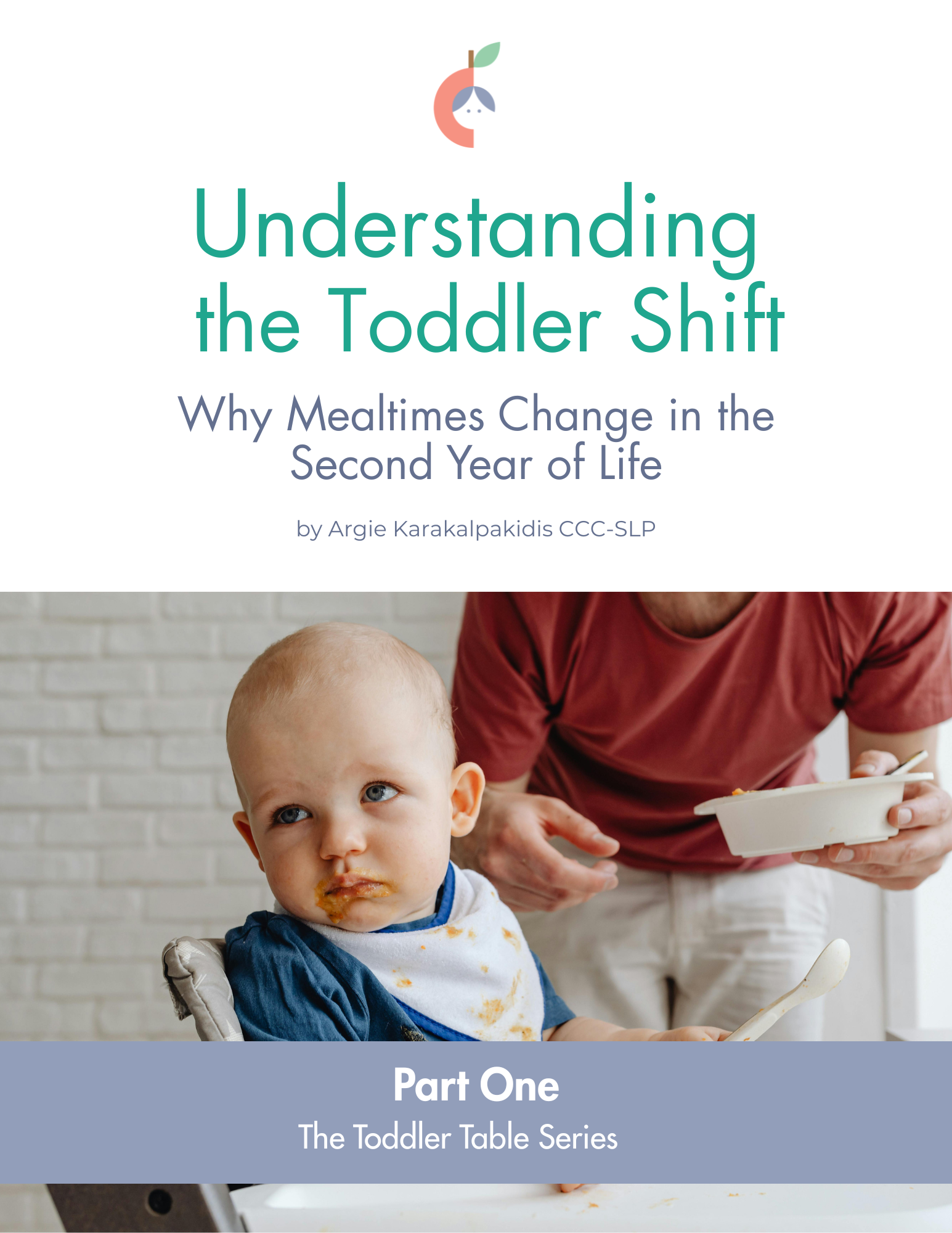 Image 1 of 8
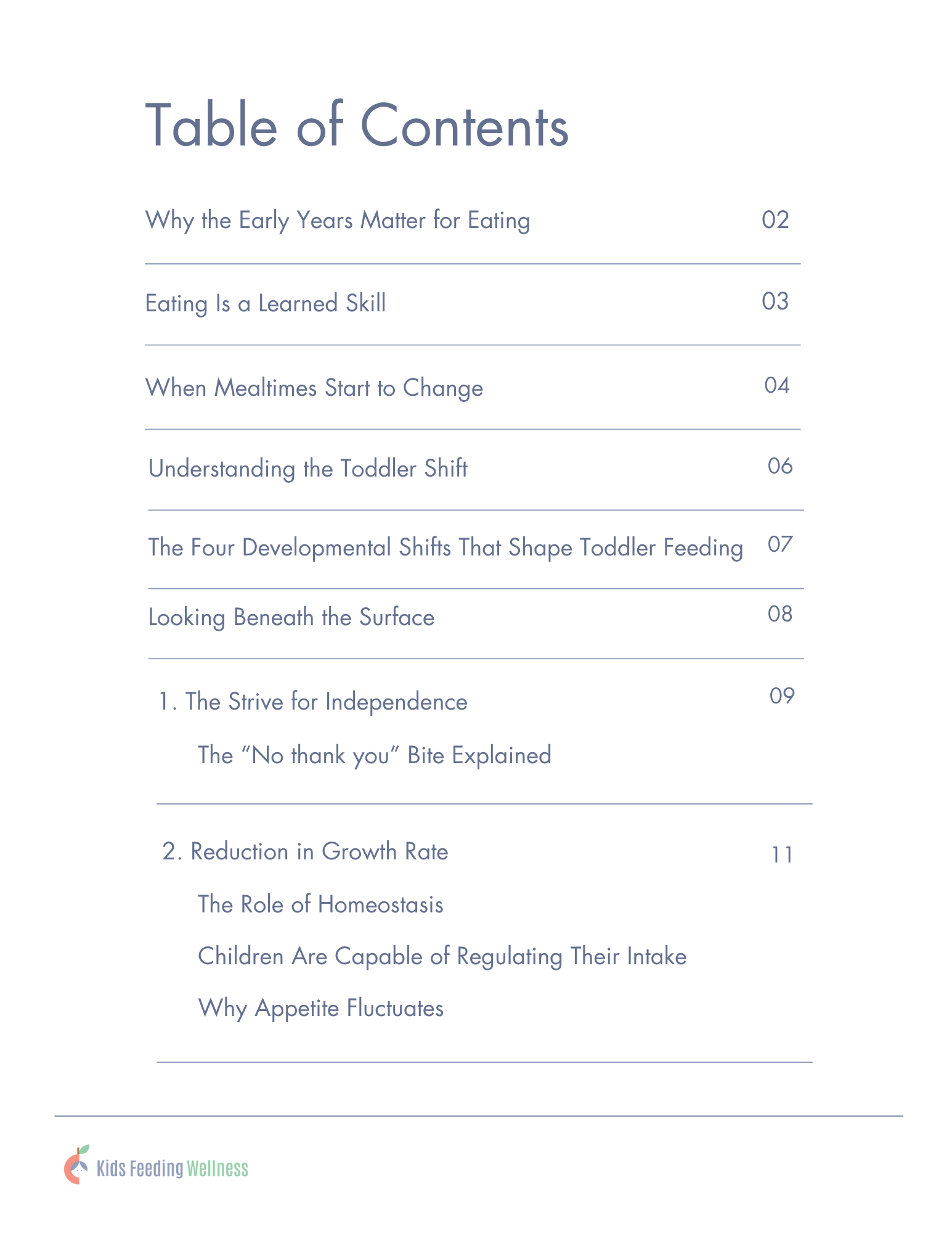 Image 2 of 8
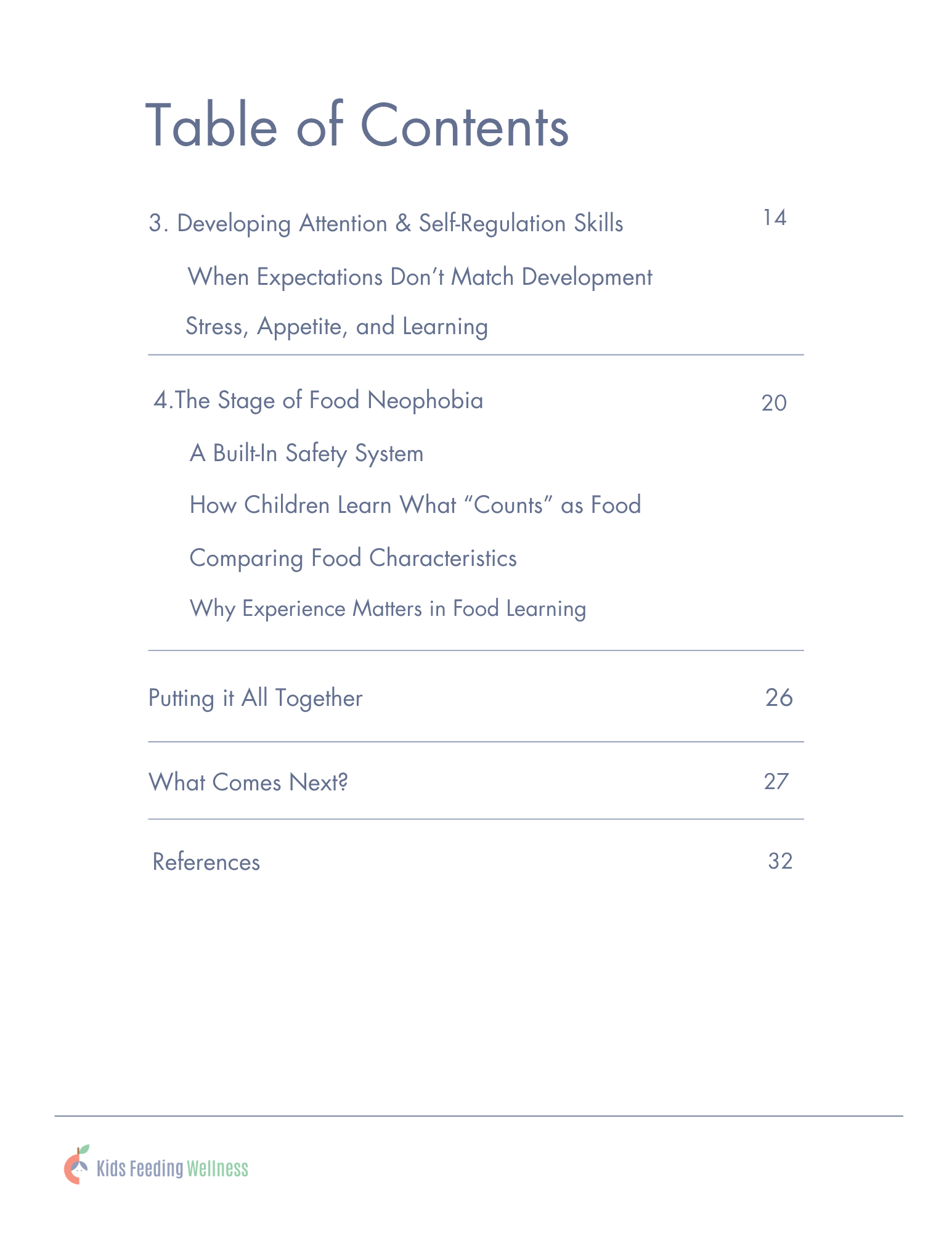 Image 3 of 8
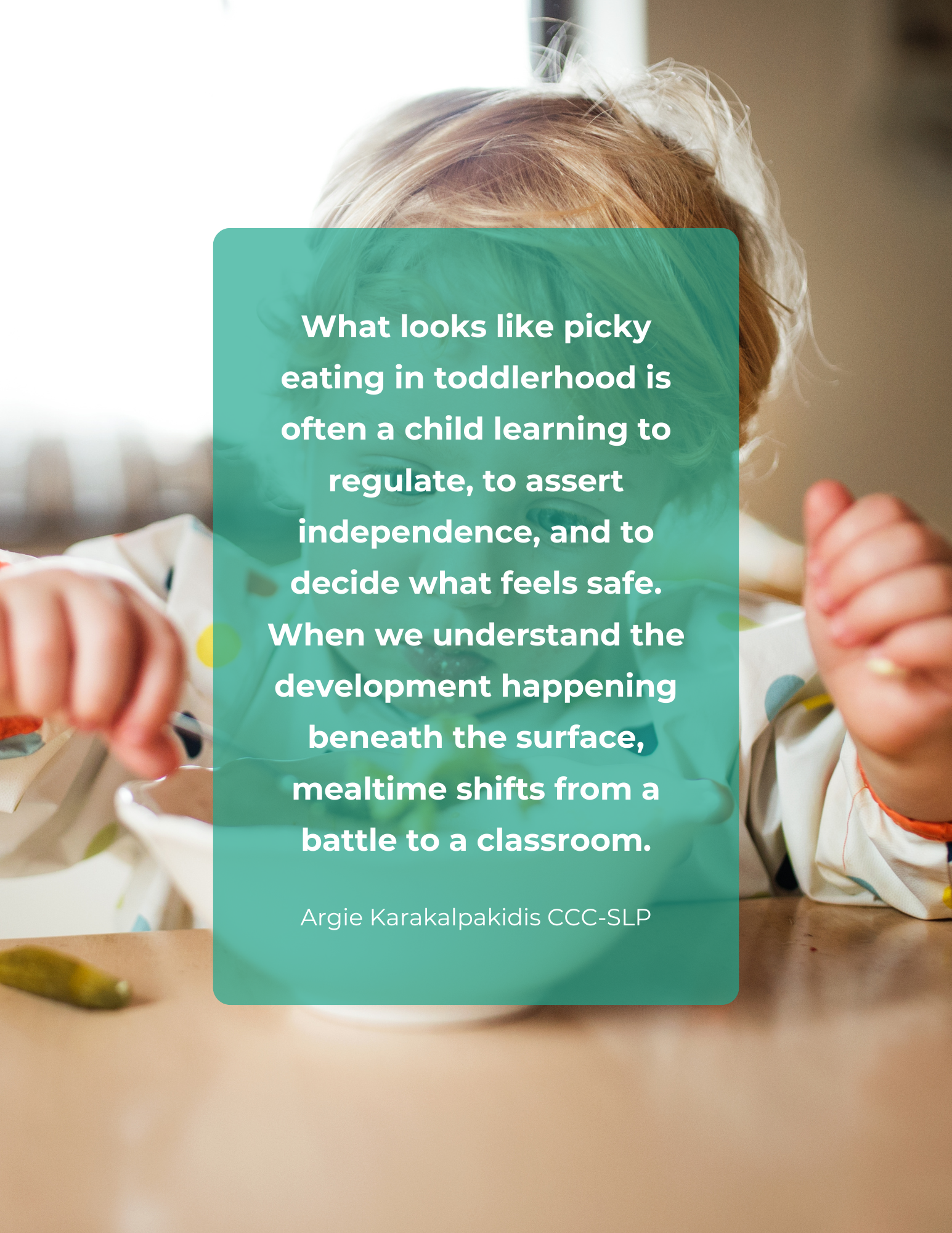 Image 4 of 8
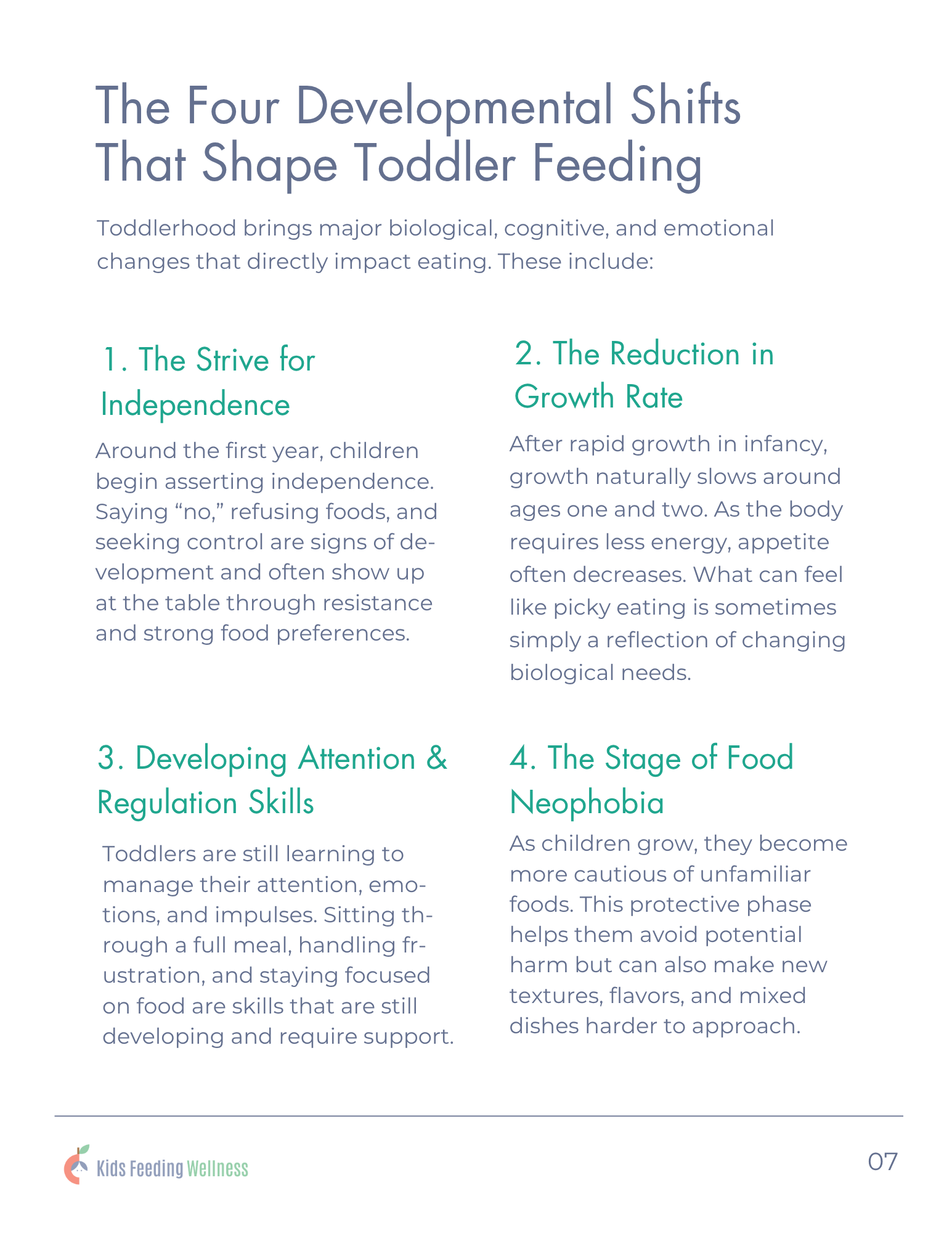 Image 5 of 8
 Image 6 of 8
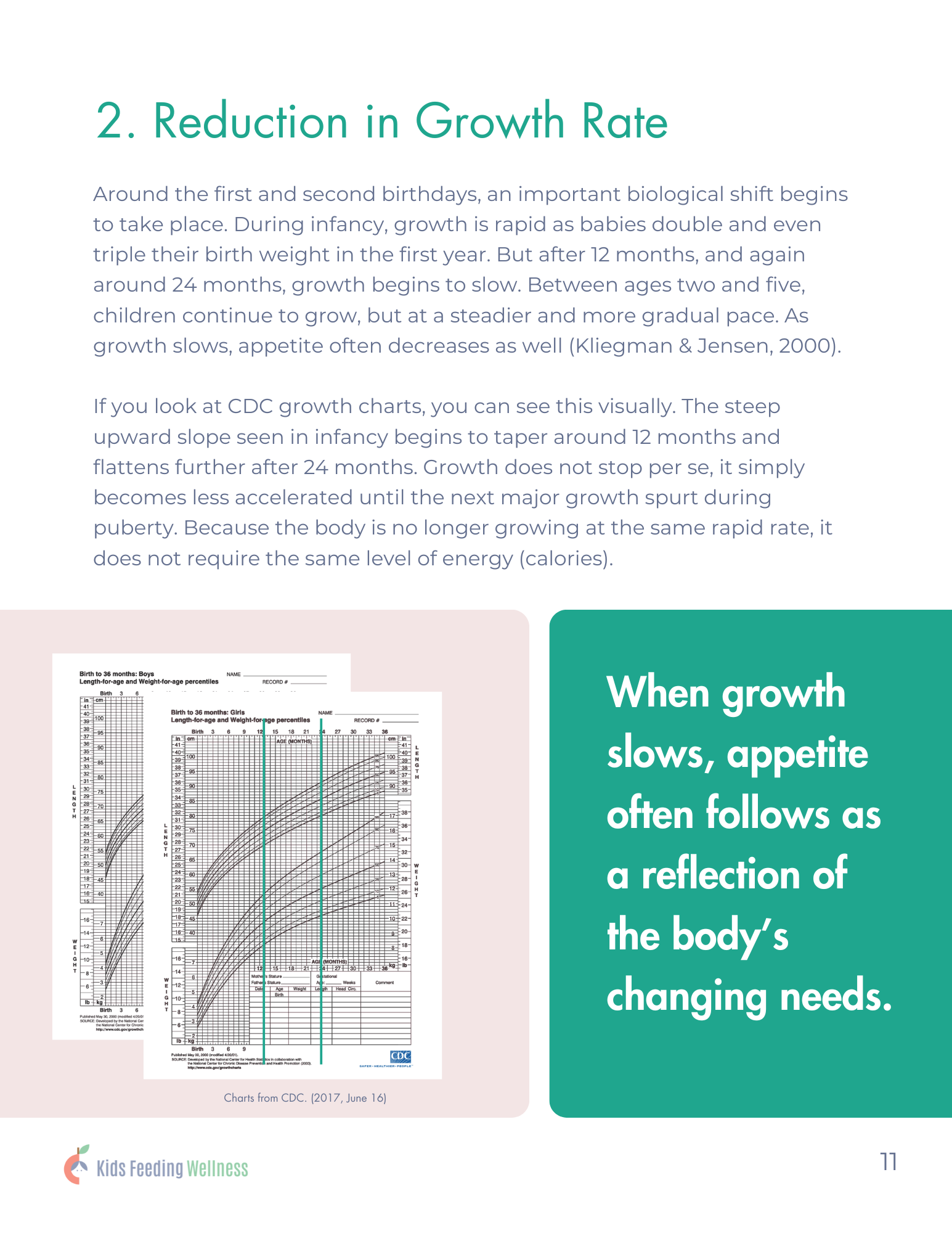 Image 7 of 8
 Image 8 of 8