
KFW Blog
Growing at the Table
Insights on feeding development, learning to eat, and creating calm, connected mealtimes.
Browse by topic or search for specific feeding concerns.

When to Start Solids: Signs of Developmental Readiness & Why 6 Months Is the Sweet Spot
Most babies are ready for the introduction to solids around 6 months—but timing isn’t just about age. Learn how developmental readiness, motor milestones, and key feeding skills guide a safe and successful transition to solids.
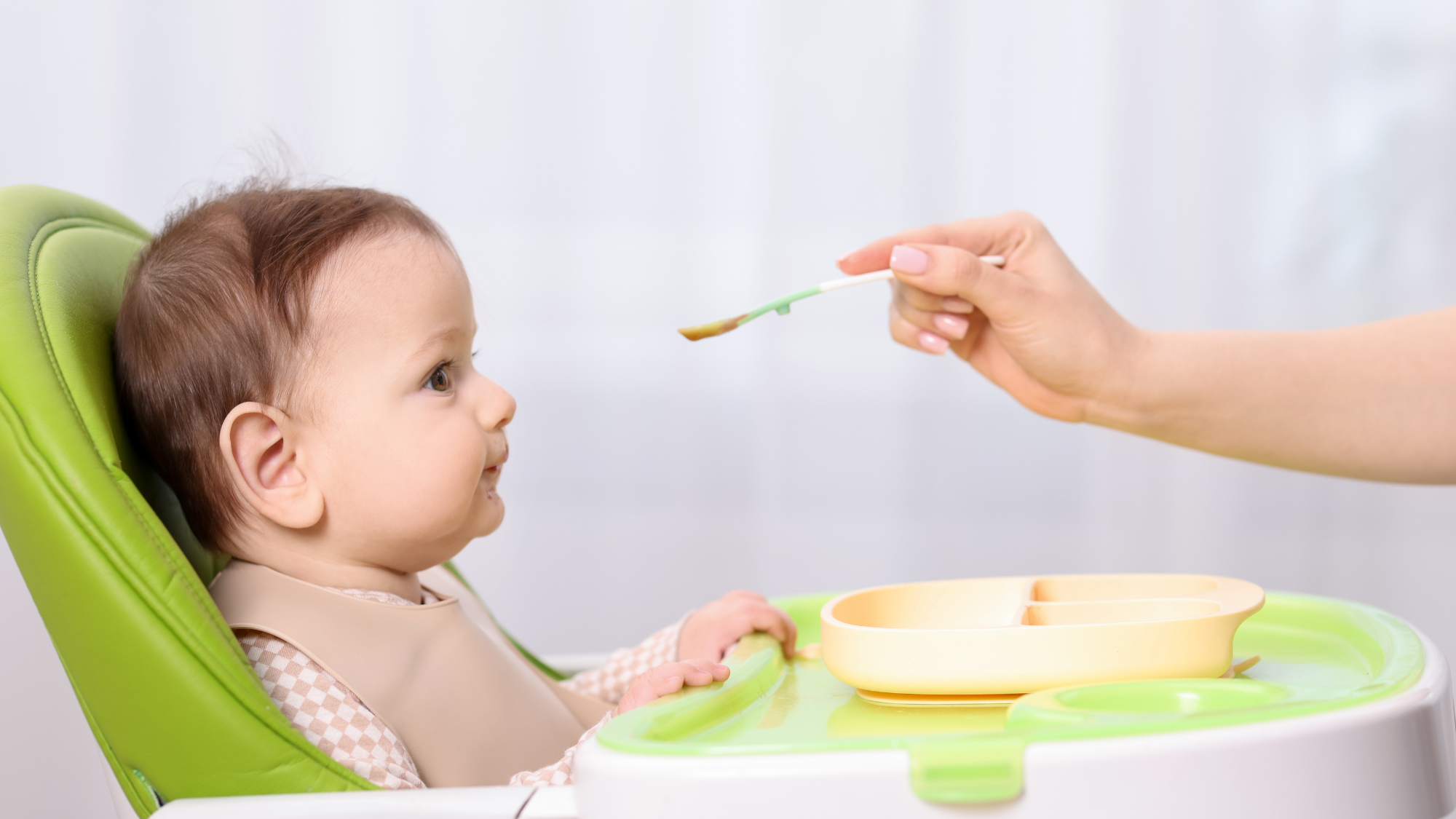
Rebuilding Trust at the Table: A Responsive Feeding Approach
When feeding feels stressful, responsive feeding helps rebuild trust, safety, and connection at the table. This parent-friendly guide explains what responsive feeding is, what it looks like in real life, and how small shifts can make mealtimes calmer and more supportive.

Why Overcoming the Fear of Choking Matters When Starting Solids
Starting solids is exciting but for many parents, fear of choking can make it overwhelming. The months between 6–10 months are a critical window for learning to chew and manage textures. When babies get the right exposure during this time, they build safe, confident eating skills. Delaying textures can make feeding harder later. This post explains why timing matters and how to support your baby with confidence.

The Best Teething Tools for Babies 4-6+ Months: Expert Recommendations
This blog explores the crucial stage between 4 and 6 months when babies begin to explore textures, chew more intentionally, and prepare for self-feeding. As your baby’s oral motor skills develop, the right teething tools can significantly support their transition to solid foods. I’ve rounded up the best teething products to help ease discomfort and promote healthy oral development. We’ll also discuss how teething and mouthing play an essential role in feeding development, including how they support chewing skills, jaw muscle strengthening, and hand-to-mouth coordination. From improving tongue movement to encouraging self-feeding, these teething products set the foundation for your baby’s feeding journey.

The Best Teething & Self-Feeding Tools for Babies Starting Solids (Expert Picks!)
Starting solids is an exciting milestone, but did you know teething tools play a key role in feeding development? Beyond soothing sore gums, they help strengthen oral muscles, improve chewing skills, and support self-feeding. In this blog, we’ll share the best teething and feeding tools to make the transition to solids smoother and more enjoyable for your baby. Let’s get started!

Minimalist Baby-Led Weaning Essentials: Simple Tools for Starting Solids
As your baby gets older and develops new skills, you can swap out early feeding items for more age-appropriate ones to continue building independence and involvement. If you try to keep every single item you’ve used since the start, you’ll quickly find things piling up and getting in the way.
Keeping an organized cupboard or drawer just for your baby’s essential feeding items will save you time and prevent the stress of constantly sorting and cleaning. Think of it like this: the more pieces you accumulate, the less likely you are to wash and reuse the ones you actually need. Instead, everything builds up until you’re forced to tackle it all at once—which in the long run takes even more time.

Why Natural Food Teethers Deserve a Spot in Your Baby’s Routine
Your baby’s journey to solid foods doesn’t begin with that first spoonful of purée—it starts much earlier, with their mouth. From around 4 months old, babies begin exploring the world with their lips, tongue, and gums. It’s messy, it’s adorable, and—believe it or not—it’s a crucial part of feeding development.
One of the most overlooked tools in supporting this stage? Natural food teethers.
These aren’t store-bought plastic rings or silicone animals (though those have their place too). We’re talking about real food—safely prepared in a way that allows babies to mouth, gnaw, and explore without needing to swallow anything yet.

How to Support Your Baby’s Feeding Journey: Combining Spoon Feeding and Baby-Led Weaning
Starting solids is a big milestone—and one that comes with a lot of questions. Should you spoon feed? Try baby-led weaning (BLW)? Or maybe a bit of both?
At Kids Feeding Wellness, we believe the best feeding journey is one that works for your baby and your family.
This article breaks down how to blend spoon feeding with BLW in a way that supports development, encourages independence, and keeps mealtimes low-stress and enjoyable.
Whether you're new to solids or looking to troubleshoot picky eating, we’re here to guide you every step of the way.

5 Common Mistakes Parents Make When Starting Solids (And How to Avoid Them)
Introducing solids is a big milestone—but it can also come with a lot of confusion. From offering the right textures to knowing when (and how) to start, it’s easy to make a few missteps along the way. In this post, we’re breaking down five common mistakes parents often make when starting solids—and giving you practical tips to avoid them. Whether you're just beginning or need a little reassurance, these insights will help you feel more confident and better support your baby’s feeding journey.

Innate vs. Learned Feeding: Understanding Your Child’s Eating Habits
This blog delves into the fascinating world of how babies develop their eating habits, balancing innate instincts and learned behaviors. From their natural preference for sweet flavors to the instinctual aversion to bitter foods, babies come into the world with built-in tendencies that help ensure their survival. As they grow, their food preferences are shaped by repeated exposure, family influences, and the emotional connections they form with food. We also explore the role of epigenetics and how experiences can modify taste preferences, as well as the challenge of food neophobia—fear of new foods—which is common in toddlers. By understanding these processes, parents can support their child’s eating journey and foster healthy, stress-free mealtimes.

Top Baby Teething Products You’ll Wish You Had Sooner! (1-3+ Months)
From the moment they’re born, babies use their mouths to explore the world. Mouthing isn’t just about teething—it plays a critical role in oral development, sensory learning, and the foundation for feeding and speech skills. As a feeding specialist, I encourage parents to embrace this stage and provide safe, developmentally appropriate tools to support it. Early oral exploration helps babies develop coordination, body awareness, and self-soothing skills, all of which are essential for future milestones like chewing, swallowing, and even talking.
Whether your baby is just beginning to discover their hands and mouth or starting to teethe, here are my top recommendations for safe and effective tools to encourage healthy oral habits from the very start!

Trusting a Child’s Intuition: How Dr. Clara Marie Davis Revolutionized Infant Feeding
This blog explores the groundbreaking work of Dr. Clara Marie Davis, a pioneering physician who revolutionized the way we understand child feeding. In the 1920s, when strict dietary prescriptions led to widespread food refusal in children, Davis conducted a radical experiment that allowed infants to select their own foods without adult interference. Her findings laid the foundation for responsive feeding, proving that children can self-regulate their intake and develop healthy eating habits when provided with a supportive environment and nutritious options. Read on to discover how her research continues to shape modern feeding practices.

Redefining Feeding Success
Feeding success goes beyond getting your child to try new foods—it’s about fostering lifelong confidence, connection, and joy at the table. This blog shifts the focus from short-term wins to creating a supportive mealtime environment where your child feels safe to explore food at their own pace.
Discover practical strategies like the Division of Responsibility (DOR), reducing pressure, and making mealtimes about connection rather than food. By addressing stress and fostering trust, you can raise a confident eater who enjoys a variety of foods and builds a lasting, positive relationship with eating and family.

Understanding Sensory Processing: Its Role in Picky Eating and Feeding Behaviors
In this blog, we will explore the intricate relationship between sensory processing and how sensory experiences shape a child's willingness to try new foods. We’ll discuss what sensory processing is, the common signs of sensory challenges during feeding, and how these difficulties can manifest in a child’s eating habits. Additionally, we will provide practical tips for parents to support their children in expanding their food repertoire while considering their unique sensory profiles.

Messes That Matter: The Role of Sensory Processing at the Table and Beyond
Eating is a sensory experience that can overwhelm young children. In this blog, we explore how sensory processing impacts eating behaviors and highlight the benefits of messy eating. By encouraging children to touch and play with their food, we can enhance fine motor skills, boost confidence, and promote acceptance of new tastes and textures. Join us to discover how messy play fosters resilience, curiosity, and emotional regulation. Plus, stay tuned for a freebie at the end, featuring fun activities to support your child’s sensory exploration during mealtimes!

What is Tethered Oral Tissue? Tongue-tie & More
In this discussion, we will explore the concept of tethered oral tissue, encompassing its three primary forms: tongue tie, lip tie, and buccal tie. We will also delve into the implications of these conditions on orofacial development, as well as their impact on essential functions like feeding, swallowing, and speech.