What If My Baby Doesn't Show Interest in Solids?
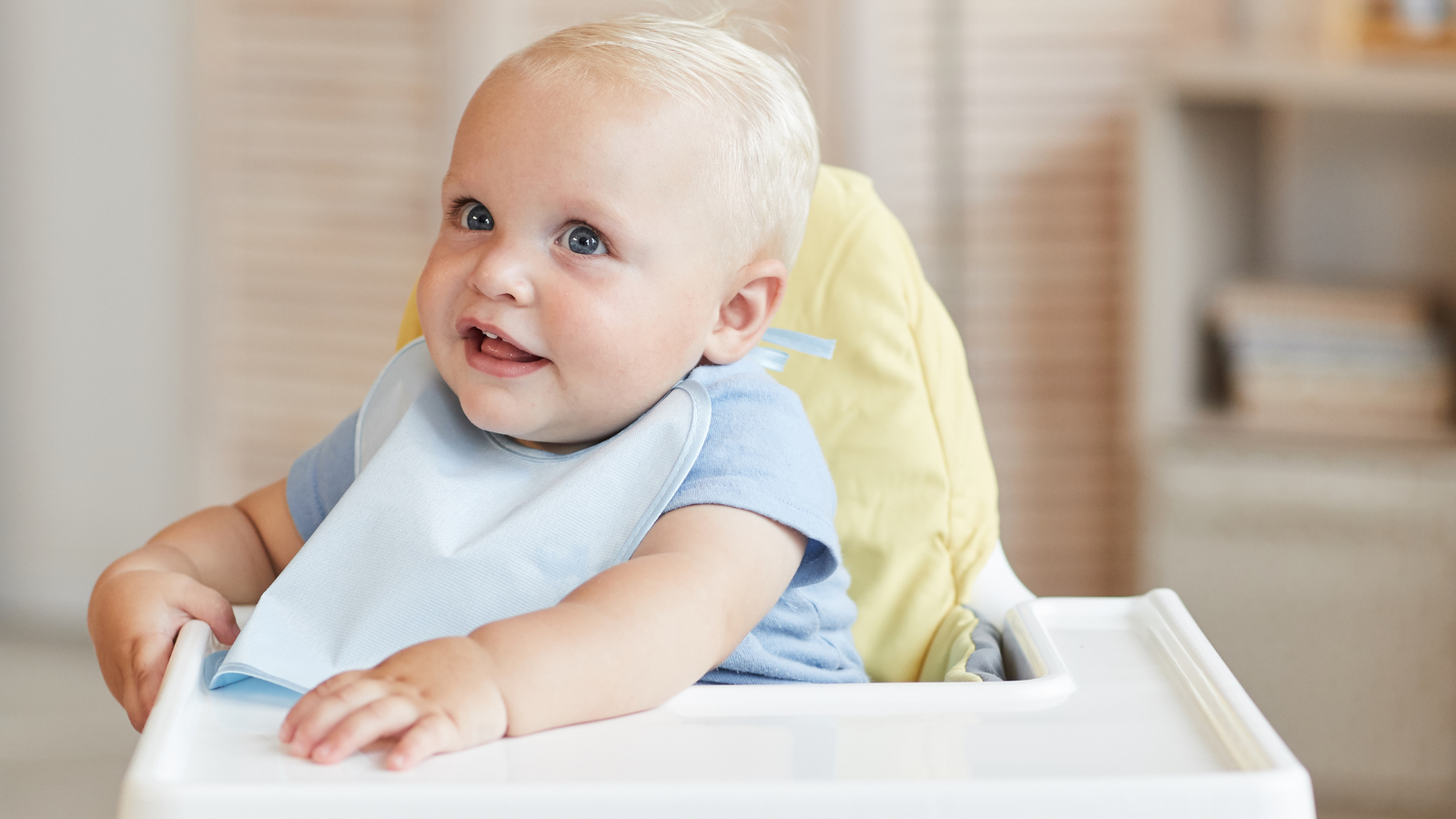
If your baby is around 6 months old and isn't showing much interest in solid foods yet, it's completely normal for some babies to take a little longer to get there. Remember—your baby doesn't yet know that food is something that can curb hunger. To them, food is just a new sensory experience, not a solution to feeling full. They've spent their whole life so far getting all their nourishment from milk. Solid foods are unfamiliar in taste, smell, texture—even the way they're delivered. Eating is a skill that needs to be learned, and at first, it's more about exploration than nutrition. (For more on getting started with solids more broadly, see our Starting Solids page.)
What You Can Do to Help
Model Mealtime Behavior
Let your baby see you eat. Sit them at the table in a high chair or on your lap, and include them in family meals whenever you can, not just quick snacks eaten standing up. Babies learn through observational learning—watching and absorbing what the people around them do—so seeing you chew, taste, and genuinely enjoy food helps them understand what it's for.
Encourage Sensory Exploration
If your baby isn't ready to taste yet, start by letting them touch, squish, or smell the food. This kind of interaction builds familiarity and reduces fear. Remember—sensory exploration comes before eating.
Check the Timing
Try offering solids about an hour after a milk feed. That way, your baby isn't too full or too hungry. If they're starving, they may get frustrated by this new experience. If they're too full, they may not be motivated to explore.
Give Them Space to Explore
Babies who are constantly fed by others may begin to see eating as something that "just happens" to them. Instead, give your baby the chance to reach, touch, mouth, and play with the food. This builds their confidence, coordination, and independence.
Be Patient With Progress
All babies go at their own pace. Some jump right in, while others need more time. What matters most is that they have repeated, positive exposures to food—no pressure, just opportunities to explore.
Every baby is unique. If your little one was born prematurely, has faced feeding challenges, has experienced failure to thrive, or shows sensory sensitivities, you might need to wait a bit longer. (Wright et al., 2011)
Remember, messy hands, squishy fingers, and hesitant tastes are all part of your baby's journey toward becoming a confident and happy eater. Your calm encouragement and willingness to let them explore at their own pace will help make mealtimes a positive and enjoyable experience for both of you.
Have more questions about starting solids? Visit our FAQ page.
Want Additional Guidance?
If you'd like support creating a personalized feeding plan for your baby, schedule a free 15-minute phone consultation—we'll talk through what you're seeing and figure out the right next step together.
Start With a Free 15-Minute Call