
KFW Blog
Growing at the Table
Insights on feeding development, learning to eat, and creating calm, connected mealtimes.
Browse by topic or search for specific feeding concerns.
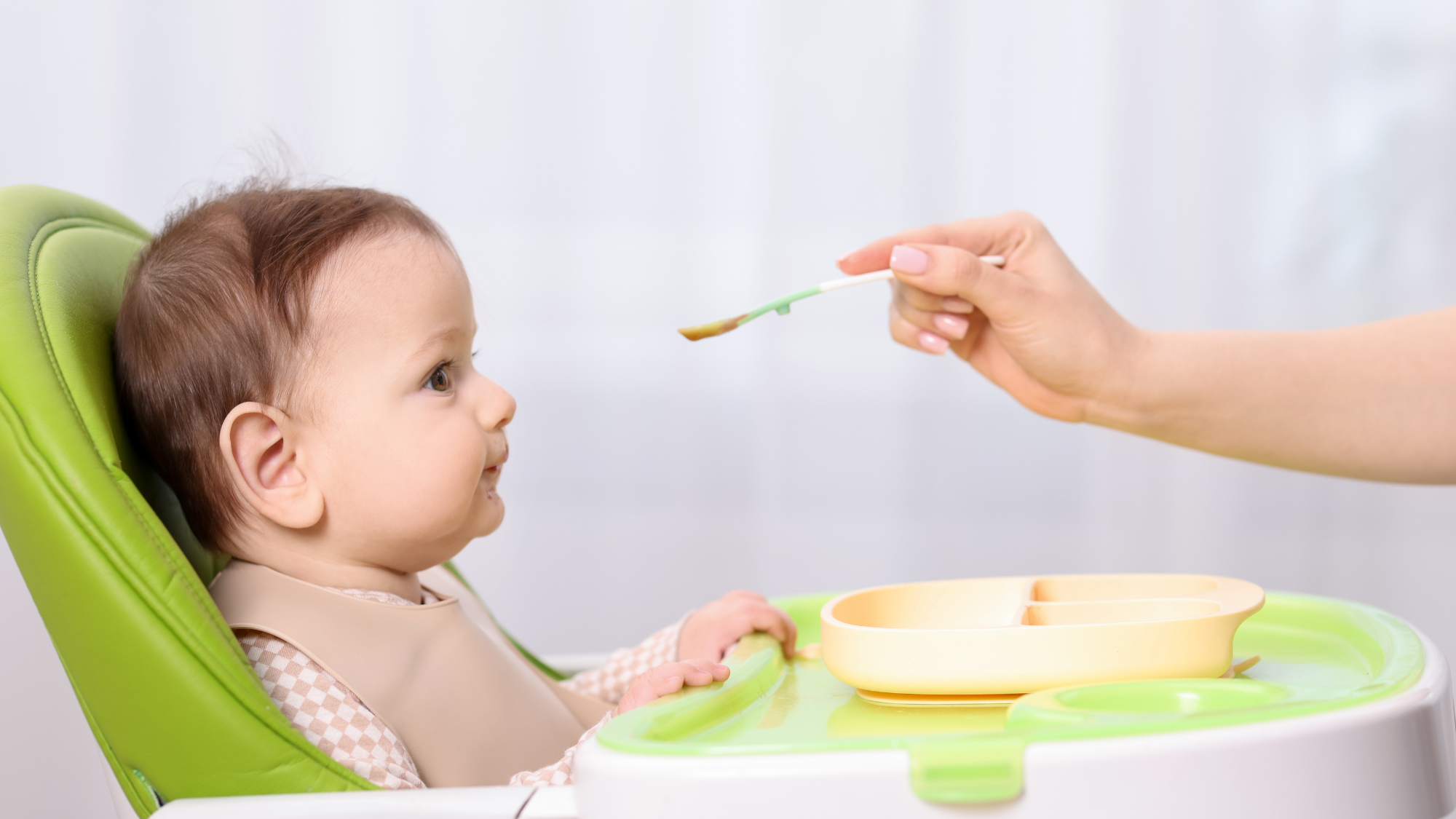
Rebuilding Trust at the Table: A Responsive Feeding Approach
When feeding feels stressful, responsive feeding helps rebuild trust, safety, and connection at the table. This parent-friendly guide explains what responsive feeding is, what it looks like in real life, and how small shifts can make mealtimes calmer and more supportive.

How to Get Your Child to Sit and Eat: Simple Mealtime Routines That Work
If your picky eater refuses to come to the table, keeps getting up during meals, or only grazes throughout the day, you’re not alone. Many parents struggle with mealtime battles and wonder how to get their child to sit and eat.
The truth is, mealtime success isn’t just about what your child eats — it’s about structure, consistency, and connection. When parents create a calm, predictable mealtime routine and eat alongside their child, the body begins to relax and respond. Over time, your child learns that sitting at the table means safety, connection, and real hunger readiness — not stress or pressure.
This article explores why routines matter, how to stop grazing habits, and simple ways to help your picky eater sit, eat, and enjoy mealtimes again.

How Mealtime Schedules and Routines Help Picky Eaters Enjoy Peaceful Meals
Struggling with mealtime battles or endless snack requests? Learn how simple schedules and routines can help your child feel secure and arrive at the table ready to eat. This guide breaks down meal timing by age, tips for reducing grazing, and practical ways to build healthy habits. Plus, grab your free It’s Time to Eat! printable mealtime schedule to make mealtimes calmer and more predictable.

Trusting a Child’s Intuition: How Dr. Clara Marie Davis Revolutionized Infant Feeding
This blog explores the groundbreaking work of Dr. Clara Marie Davis, a pioneering physician who revolutionized the way we understand child feeding. In the 1920s, when strict dietary prescriptions led to widespread food refusal in children, Davis conducted a radical experiment that allowed infants to select their own foods without adult interference. Her findings laid the foundation for responsive feeding, proving that children can self-regulate their intake and develop healthy eating habits when provided with a supportive environment and nutritious options. Read on to discover how her research continues to shape modern feeding practices.

Redefining Feeding Success
Feeding success is about more than getting your child to try new foods. It’s about raising a confident, capable eater for life. Learn the signs of a confident eater, why mealtime stress backfires, and five simple ways to turn meals into moments of connection.