
KFW Blog
Growing at the Table
Insights on feeding development, learning to eat, and creating calm, connected mealtimes.
Browse by topic or search for specific feeding concerns.
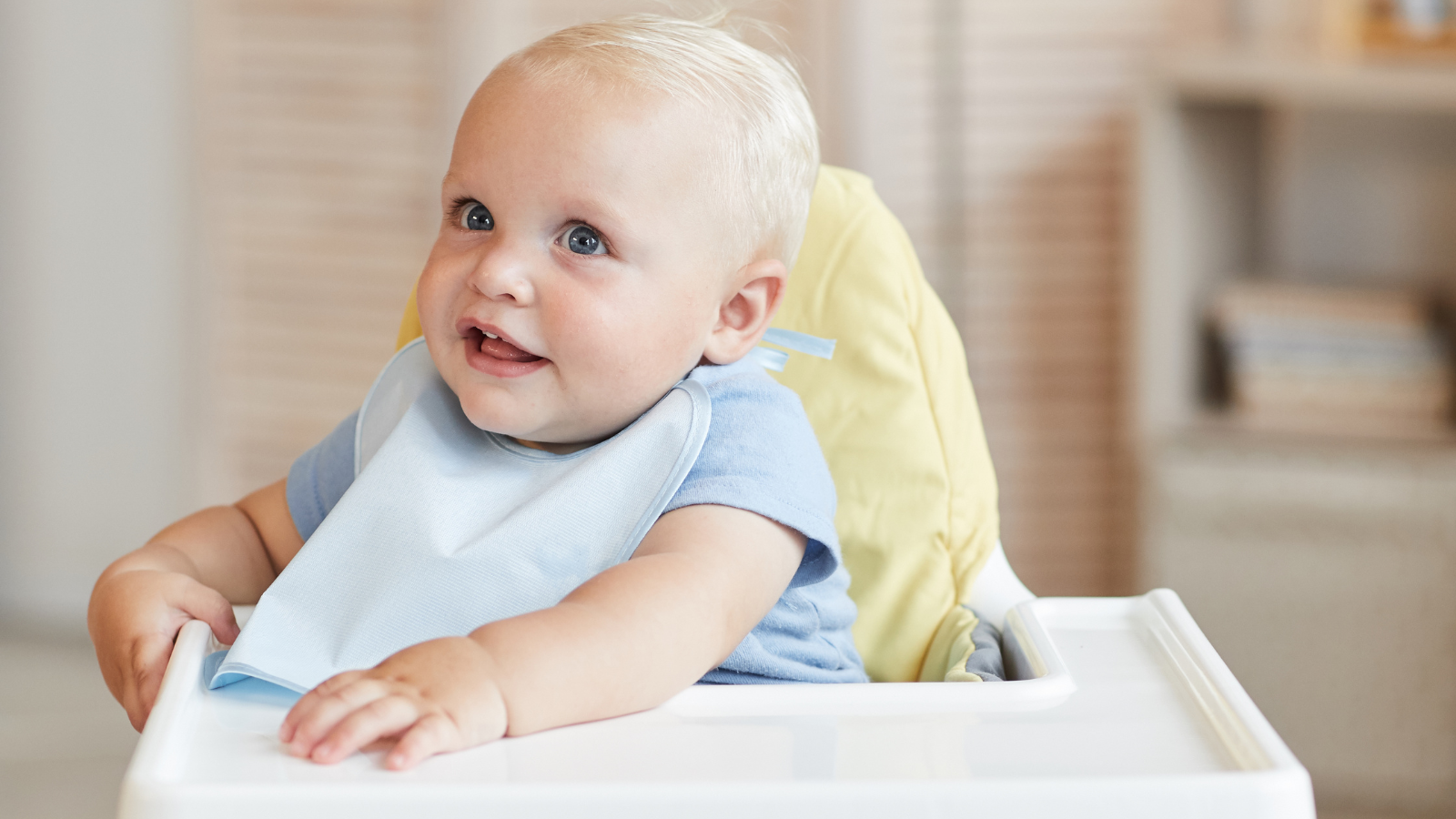
What If My Baby Doesn't Show Interest in Solids?
If your baby isn't diving into solids the way you expected, you're not alone. Here's why that happens—and five things you can do to help, without any pressure.

When to Start Solids: Signs of Developmental Readiness & Why 6 Months Is the Sweet Spot
Most babies are ready for the introduction to solids around 6 months—but timing isn’t just about age. Learn how developmental readiness, motor milestones, and key feeding skills guide a safe and successful transition to solids.
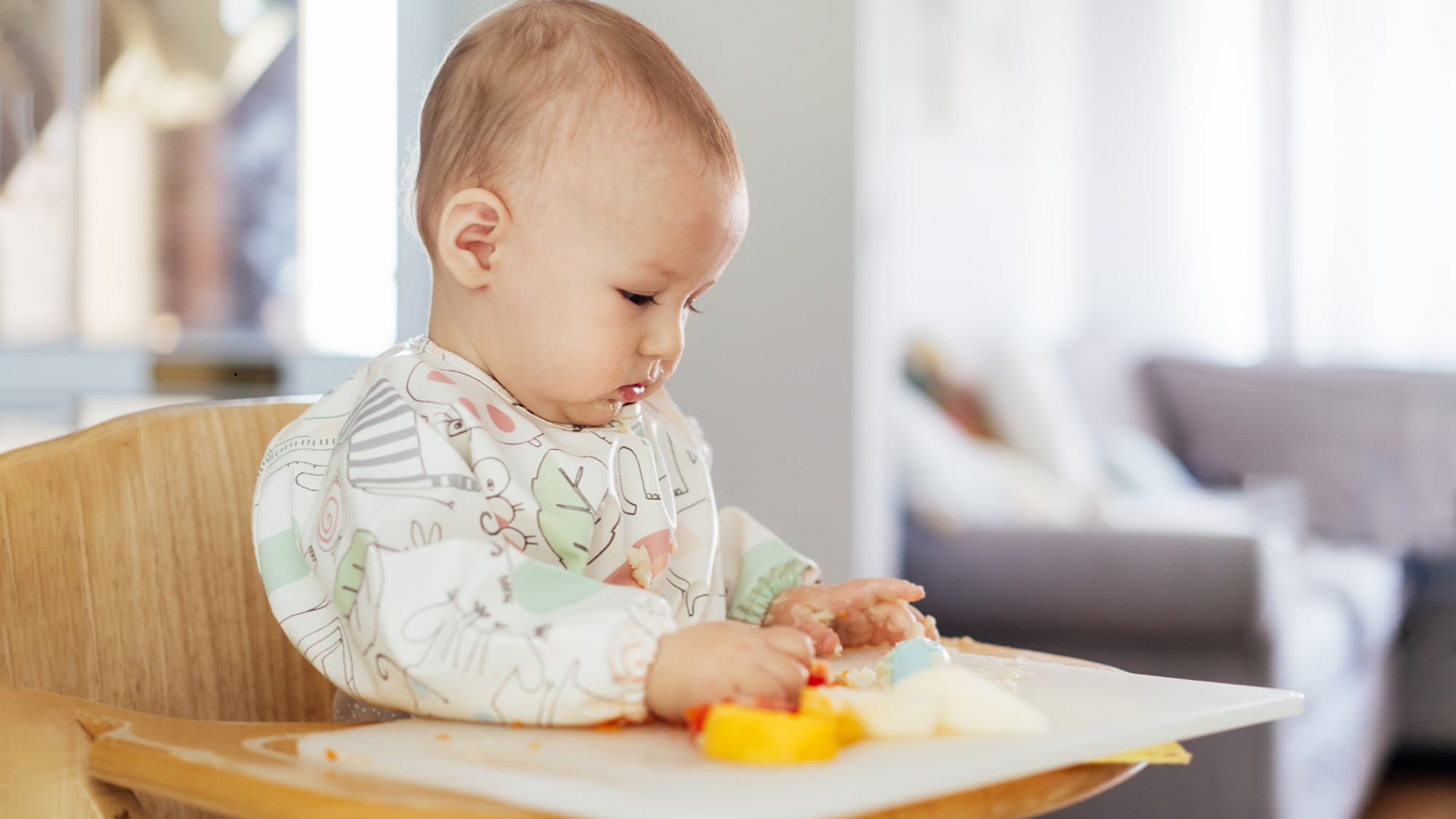
Why Overcoming the Fear of Choking Matters When Starting Solids
Starting solids is exciting but for many parents, fear of choking can make it overwhelming. The months between 6–10 months are a critical window for learning to chew and manage textures. When babies get the right exposure during this time, they build safe, confident eating skills. Delaying textures can make feeding harder later. This post explains why timing matters and how to support your baby with confidence.

Minimalist Baby-Led Weaning Essentials: Simple Tools for Starting Solids
As your baby gets older and develops new skills, you can swap out early feeding items for more age-appropriate ones to continue building independence and involvement. If you try to keep every single item you’ve used since the start, you’ll quickly find things piling up and getting in the way.
Keeping an organized cupboard or drawer just for your baby’s essential feeding items will save you time and prevent the stress of constantly sorting and cleaning. Think of it like this: the more pieces you accumulate, the less likely you are to wash and reuse the ones you actually need. Instead, everything builds up until you’re forced to tackle it all at once—which in the long run takes even more time.

Why Natural Food Teethers Deserve a Spot in Your Baby’s Routine
Your baby’s journey to solid foods doesn’t begin with that first spoonful of purée—it starts much earlier, with their mouth. From around 4 months old, babies begin exploring the world with their lips, tongue, and gums. It’s messy, it’s adorable, and—believe it or not—it’s a crucial part of feeding development.
One of the most overlooked tools in supporting this stage? Natural food teethers.
These aren’t store-bought plastic rings or silicone animals (though those have their place too). We’re talking about real food—safely prepared in a way that allows babies to mouth, gnaw, and explore without needing to swallow anything yet.

How to Support Your Baby’s Feeding Journey: Combining Spoon Feeding and Baby-Led Weaning
Starting solids is a big milestone—and one that comes with a lot of questions. Should you spoon feed? Try baby-led weaning (BLW)? Or maybe a bit of both?
At Kids Feeding Wellness, we believe the best feeding journey is one that works for your baby and your family.
This article breaks down how to blend spoon feeding with BLW in a way that supports development, encourages independence, and keeps mealtimes low-stress and enjoyable.
Whether you're new to solids or looking to troubleshoot picky eating, we’re here to guide you every step of the way.

5 Common Mistakes Parents Make When Starting Solids (And How to Avoid Them)
Starting solids is about more than calories. Learn five common mistakes families make when starting solids, from relying on purees to skipping flavor, and simple, evidence-based ways to help your baby explore new tastes and textures with confidence.